 By Graham Fisher
Updated November 2026
Body recomposition workout plan female readers usually search for share the same goal: lose body fat while building lean muscle, without cycling between bulking and cutting. Choosing a guide for this is harder than it looks, because most books either focus on fat loss with cardio or on muscle gain with heavy lifting, and only a few explain how training volume, protein intake and calorie timing work together. The picks below were selected by comparing listing content, the scope of each book’s training and nutrition coverage, and the patterns owners tend to mention in feedback, such as clarity of the programming and how practical the diet guidance feels. No single book fits every reader, so the goal here is to show which one matches a specific starting point.
Our top picks at a glance
- 1
 TOP CHOICEBest overallWOMAN AND FITNESS: Female body recomposition: workout and dietView on Amazon
- 2
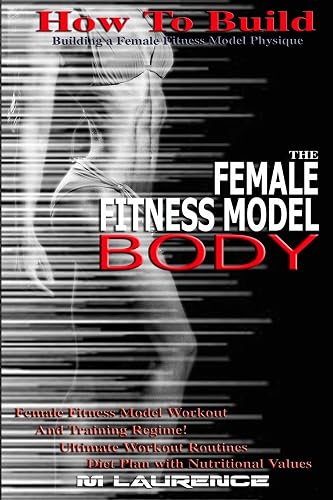 Best for structured physique trainingHow To Build The Female Fitness Model Body: Building A Female FitnessView on Amazon
- 3
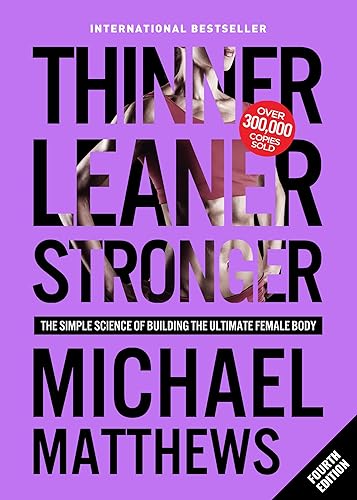 Best for understanding the scienceThinner Leaner Stronger: The Simple Science of Building the Ultimate Female BodyView on Amazon
Our Top Picks
Quick Comparison
| Product | Best for | Key feature |
|---|---|---|
| WOMAN AND FITNESS: Female body recomposition: workout and diet | Readers who want training and diet in one place | Paired workout and nutrition guidance for recomposition |
| How To Build The Female Fitness Model Body | Lifters who want a physique-focused routine | Training routines plus a diet plan with nutritional values |
| Thinner Leaner Stronger | Readers who want to understand the reasoning behind the plan | Explains the science of building a lean, strong female body |
WOMAN AND FITNESS: Female body recomposition: workout and diet
WOMAN AND FITNESS: Female body recomposition: workout and diet
Best for: Readers who want the training plan and the eating plan in one book
This is the most direct match for the body recomposition workout plan female searcher, since the title itself pairs workout and diet. It suits someone who already has some gym experience and wants a single reference rather than piecing together separate training and nutrition sources. For another angle, check out Beginner Upper Body Workout Female: A 6-Step Plan to Build Strength.
Key specs:
- Subject: female body recomposition
- Covers both workout programming and diet
- Format: book (check the listing for page count and edition)
Pros:
- Addresses training and nutrition together, which is the core of recomposition
- Focused entirely on the female body rather than general fitness
- Useful for readers who want one plan to follow week to week
Cons:
- Beginners may need to adapt exercise instructions with video or a coach
- Diet guidance will still need to be adjusted to individual calorie and protein needs
Bottom line: The best starting point for a reader who wants a recomposition plan that covers both sides of the equation in one place.
How To Build The Female Fitness Model Body: Building A Female Fitness Model Physique, Female Fitness Model Workout, Training Regime, Ultimate Workout Routines, Diet Plan with Nutritional Values
How To Build The Female Fitness Model Body: Building A Female Fitness Model Physique, Female Fitness Model Workout, Training Regime, Ultimate Workout Routines, Diet Plan with Nutritional Values
Best for: Lifters who want a physique-focused training routine with a diet plan attached
This title leans toward the aesthetic physique goal, with dedicated workout routines and a diet plan that lists nutritional values. It fits a reader who wants structured sessions and concrete food targets rather than general principles.
Key specs:
- Includes workout routines and a training regime
- Includes a diet plan with nutritional values
- Physique-focused content for female lifters
Pros:
- Clear focus on workout routines, which suits readers who like step-by-step sessions
- Diet plan includes nutritional values, useful for tracking
- Targets a specific physique goal, making the plan easy to follow
Cons:
- Physique-style plans may lean more toward aesthetics than performance
- Fixed diet examples may need adjustment to match personal calorie needs
Bottom line: A good choice for a reader who wants a structured routine and a concrete meal framework aimed at a defined female physique.
Thinner Leaner Stronger: The Simple Science of Building the Ultimate Female Body
Thinner Leaner Stronger: The Simple Science of Building the Ultimate Female Body
Best for: Readers who want to understand why recomposition works before following a plan
This book is built around the science of building a lean, strong female body. It suits someone who prefers to learn the principles behind training volume, intensity and nutrition, and then design or adjust their own program over time.
Key specs:
- Focus on the science of female body composition
- Explains training and nutrition principles
- Format: book (check the listing for edition details)
Pros:
- Explains the reasoning behind recomposition, which helps with long-term adjustments
- Written around female physiology and goals
- Useful for readers who plan to customize their training week by week
Cons:
- Readers looking for a ready-to-run weekly schedule may need to build it themselves
- Science-focused content can feel dense for complete beginners
Bottom line: The right pick for a reader who wants principles and flexibility more than a fixed template.
Buying Guide
Program structure and training split
Look for a book that spells out how many training days per week it expects, how sessions are split (full body, upper/lower or push/pull/legs), and how volume progresses. Recomposition usually works best with two to four weekly sessions that emphasize progressive overload with moderate-to-heavy loads, so a plan that only offers low-intensity circuits may not deliver the muscle-building side of the goal.
Good picks for this: How To Build The Female Fitness Model Body; WOMAN AND FITNESS: Female body recomposition: workout and diet
Nutrition and calorie guidance
Recomposition depends on eating close to maintenance calories with high protein, so check whether the book explains how to estimate needs and how much protein to target per kilogram or pound of body weight. Sample meal plans are helpful, but they should be treated as examples rather than prescriptions.
Good picks for this: WOMAN AND FITNESS: Female body recomposition: workout and diet; How To Build The Female Fitness Model Body
Depth of explanation versus ready-to-use plans
Some readers want a plan to follow exactly, while others want to understand the reasoning. A book that explains training variables such as rep ranges, rest periods and progression gives you more control, but it takes more effort to apply. Decide which style you will actually stick with before you buy.
Good picks for this: Thinner Leaner Stronger; How To Build The Female Fitness Model Body
Experience level
Beginners need exercise instructions, form cues and a gradual progression. Intermediate lifters can use more advanced programming and may prefer books that discuss periodization and training volume in detail. Check the table of contents or preview pages to confirm the level matches yours.
Good picks for this: WOMAN AND FITNESS: Female body recomposition: workout and diet; Thinner Leaner Stronger
Focus on the female body
Recomposition advice written for general audiences may not address hormonal, menstrual cycle or strength-development differences that matter for many women. Books written specifically for female physiology can be more relevant, though you should still cross-check claims against trusted sources.
Good picks for this: Thinner Leaner Stronger; WOMAN AND FITNESS: Female body recomposition: workout and diet
Practical tools and tracking
Useful books include workout logs, progression charts, body measurement guidance and suggestions for tracking strength over time. Recomposition progress is often slow and shows up in strength gains and measurements before it shows up on the scale, so tracking tools make a real difference.
Good picks for this: How To Build The Female Fitness Model Body; WOMAN AND FITNESS: Female body recomposition: workout and diet
Recovery and sleep
Muscle repair and fat loss both depend on recovery. Look for guidance on rest days, sleep and stress management, because a plan that ignores recovery often leads to stalled progress or burnout.
Good picks for this: Thinner Leaner Stronger; WOMAN AND FITNESS: Female body recomposition: workout and diet
FAQ
What is body recomposition?
Body recomposition means losing body fat while gaining or preserving lean muscle at the same time. It is usually achieved with resistance training, a moderate calorie deficit or maintenance intake, and high protein. Progress is measured by strength, measurements and how your body looks, not only by scale weight.
How long does body recomposition take?
Timelines vary widely with starting body composition, training history, sleep and consistency. Beginners often notice changes in strength and shape within a few months, while visible results may take longer. Plan on at least 12 weeks of consistent training before judging progress.
How many days per week should I train for recomposition?
Most women do well with three to four resistance training sessions per week, using full-body or upper/lower splits. Two sessions can work for beginners with limited time, while more advanced lifters may add a fifth session if recovery allows.
How much protein do I need?
Many sports nutrition guidelines suggest roughly 1.6 to 2.2 grams of protein per kilogram of body weight per day for people doing regular resistance training. Your individual target depends on your goals, kidney health and overall diet, so check with a registered dietitian or physician if you have a medical condition.
Do I need to do cardio for body recomposition?
Cardio is optional. Resistance training drives the muscle-building side, while daily steps and moderate cardio can help create a calorie deficit without interfering with recovery. Adjust cardio based on how your body responds and how much energy you have.
Is body recomposition safe for women?
For most healthy adults, a well-designed resistance and nutrition plan is safe. Women who are pregnant, breastfeeding, managing an eating disorder, or living with medical conditions should consult a doctor or registered dietitian before starting a calorie-restricted plan.
Conclusion
For a body recomposition workout plan female readers can actually follow, the best fit depends on what you need most. WOMAN AND FITNESS: Female body recomposition: workout and diet is the most direct match if you want training and nutrition in one book. How To Build The Female Fitness Model Body suits readers who want structured routines and a diet plan built around a physique goal. Thinner Leaner Stronger is the better choice if you want to understand the science and plan your own progression. Whichever you choose, pair the plan with consistent progressive overload, adequate protein and enough sleep, and review your progress every 8 to 12 weeks.
Sources
- Research summaries on resistance training, protein intake and muscle protein synthesis (nih.gov)
- Physical activity guidelines for adults, including muscle-strengthening recommendations (cdc.gov)
- Position statements on resistance training and exercise prescription (acsm.org)
Related reading
- Full Body Workout Gym Female Beginner: A Step-by-Step Plan (2026)
- Full Body Workout Beginner Female: A Step-by-Step Plan for Your First 8 Weeks
- Full Body Weights Workout Female: A Step-by-Step Plan for Beginners
- Full Body Beginner Dumbbell Workout Female: A 3-Day Plan for Your First 8 Weeks
- Female Full Body Workout: A Step-by-Step Plan for Beginners
- Female Full Body Workout Plan PDF: A 3-Day Printable Program
About Graham Fisher
Graham Fisher is part of our editorial team and reviews and edits our workout programs & splits guides, checking product details against manufacturer specifications and owner feedback.