 By Graham Fisher
Updated November 2026
Choosing the best gym workout plan to build muscle comes down to three things: how much time you can train, how experienced you are, and whether the plan gives you a clear way to add weight or reps over time. The picks below were selected by reviewing product listings, publisher reputation and patterns in owner feedback. None of them were tested in a lab or by our team, so treat the notes as a guide to fit rather than a verdict on results.
Our top picks at a glance
- 1
 TOP CHOICEBest overallMen's Health Muscle After 40 At HomeView on Amazon
- 2
 TOP CHOICEBest for a structured journalTrack PRs in a Log Book Workout JournalView on Amazon
- 3
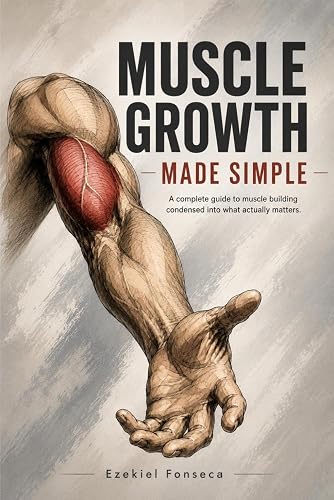 TOP CHOICEBest for learning the basicsMuscle Growth Made SimpleView on Amazon
- 4
 Best for a fast six-week blockMen's Health 6-Week Lean Muscle Level-UpView on Amazon
- 5
 Best for a full-year progressionJim's Weight Training & Bodybuilding Workout PlanView on Amazon
- 6
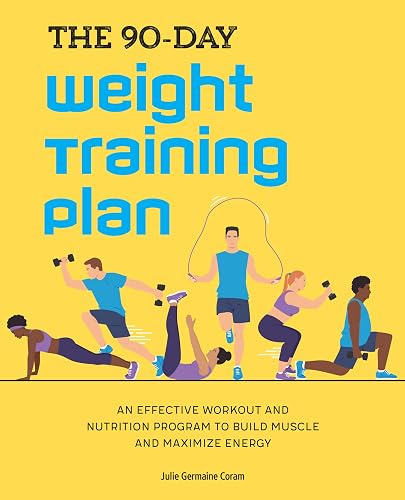 Best for combining diet and trainingThe 90-Day Weight Training PlanView on Amazon
- 7
 Best for variety101 Muscle-Building Workouts & Nutrition Plans (101 Workouts)View on Amazon
Our Top Picks
| Product | Best for | Key feature |
|---|---|---|
| Men’s Health Muscle After 40 At Home | Older lifters training with limited gear | 12-week minimal-equipment plan |
| Track PRs in a Log Book | Lifters who want to log progress | Built-in workout tracking pages |
| Muscle Growth Made Simple | Beginners who want the core principles | Condensed muscle-building guide |
| Men’s Health 6-Week Lean Muscle Level-Up | Short, intense training blocks | Six-week progressive structure |
| Jim’s Weight Training & Bodybuilding Workout Plan | Long-term progressive overload | Full year of weight training |
| The 90-Day Weight Training Plan | Pairing training with nutrition | Workout and nutrition program |
| 101 Muscle-Building Workouts & Nutrition Plans | Lifters who get bored with one routine | 101 workouts in one book |
Men’s Health Muscle After 40 At Home
Men's Health Muscle After 40 At Home: Maximize gains using minimal equipment in this 12-week strength training plan you can do at home! If you want more background, see Best 19 Heart Rate Monitors for Treadmill Workouts.
Best for: Older lifters training with limited equipment
This plan suits lifters over 40 who want to build muscle without a full commercial gym. The publisher describes a 12-week program built around minimal equipment.
Pros
- Designed for training at home
- Structured 12-week progression
Cons
- Less useful if you have full gym access
Track PRs in a Log Book Workout Journal
Track PRs in a Log Book, Build Muscle and Dominate Your Workouts – Essential Gym Gear Accessories for Serious Weight Lifters Ultimate Workout Journal – Fitness Training Planner for Men and Women
Best for: Lifters who want to log progress
A training journal fits anyone who wants to record sets, reps and loads so they can apply progressive overload. It works alongside any program. A related read: 5 Best Workout Split to Build Muscles: Top Picks Compared (2026).
Pros
- Pages for tracking personal records
- Works with any plan you already follow
Cons
- Does not provide the exercises themselves
Muscle Growth Made Simple
Muscle Growth Made Simple: A Complete Guide to Building Muscle — Condensed Into What Actually Matters
Best for: Beginners learning the basics
This guide is aimed at readers who want the core principles of hypertrophy explained without padding. It suits people still building their training foundation. For another angle, check out 6 Best Nick Bare Workout Split Picks for Lifters Who Want a Plan.
Pros
- Condensed, focused content
- Explains the principles behind the training
Cons
- Offers fewer ready-made weekly schedules
Men’s Health 6-Week Lean Muscle Level-Up
Men's Health 6-Week Lean Muscle Level-Up: The Workout to Supercharge Muscle Growth Fast
Best for: Short, intense training blocks
A six-week block is a good option if you want a defined start and finish before reassessing. It fits lifters who respond well to clear, time-limited goals. Worth reading next: Workout Plan for Men to Build Muscle: 5 Best Picks Compared (2026).
Pros
- Clear six-week structure
- Progressive design for faster gains
Cons
- Requires a fresh plan once the block ends
Jim’s Weight Training & Bodybuilding Workout Plan
Jim's Weight Training & Bodybuilding Workout Plan: Build muscle and strength, burn fat & tone up with a full year of progressive weight training … (Weight training & resistance workouts)
Best for: Long-term progressive overload
This plan spans a full year, which suits lifters who want a long runway for steady strength and size gains. Owners often note its progressive structure. Worth reading next: 5 Best Workout Plans for Gaining Muscle: Top Picks Compared (2026).
Pros
- Year-long progressive structure
- Covers strength and muscle together
Cons
- Long commitment for beginners who want variety
The 90-Day Weight Training Plan
The 90-Day Weight Training Plan: An Effective Workout and Nutrition Program to Build Muscle and Maximize Energy
Best for: Pairing training with nutrition
A 90-day program that includes nutrition guidance suits lifters who struggle to eat enough protein and calories for growth. It treats diet as part of the plan.
Pros
- Combines training and nutrition
- Defined 90-day timeline
Cons
- Nutrition advice may not suit every dietary need
Buying Guide
Your Training Experience
Beginners usually gain the most from a plan that teaches proper form and builds a consistent routine. More advanced lifters need programs that use progressive overload, varied rep ranges and planned deload weeks to keep progress moving.
Check whether a plan lists its target level clearly. A program written for experienced bodybuilders can be too demanding for someone just starting out.
Time Available Each Week
Look at how many days you can realistically train and how long each session will take. A plan that asks for five or six sessions a week is only useful if you can keep that schedule for the full length of the program.
Shorter home-based plans can work well for people with busy schedules, while full gym programs often reward those who can commit to more frequent training.
Equipment and Training Location
Decide whether you will train in a full commercial gym or at home with minimal equipment. Some plans assume access to barbells, machines and racks, while others are built around bodyweight moves or a few adjustable dumbbells.
Matching the plan to your setup prevents frustration and makes it easier to stay consistent.
Built-In Progression and Tracking
Muscle growth depends on gradually increasing the challenge over time. Choose a plan that explains how to add weight, reps or sets from week to week, and consider whether it includes a way to record your lifts.
A companion log or journal can make it much easier to see whether you are actually getting stronger.
Nutrition and Recovery Guidance
Building muscle requires more than training alone. Look for a plan that addresses sleep, rest days and basic eating habits, or pair your training program with a dedicated nutrition resource.
Programs that cover both training and recovery tend to give a more complete picture of what it takes to build size and strength.
FAQ
How long does it take to see muscle growth from a workout plan?
Most people begin to notice changes in strength within a few weeks, while visible muscle growth usually takes several months of consistent training. Results depend on your starting point, sleep, diet and how faithfully you follow the plan. Patience and steady progression matter more than any single program. For another angle, check out 6 Best Beginner Workout Plan to Build Muscle Picks for New Lifters (2026).
Do I need a gym membership to build muscle?
No, you can build muscle at home using bodyweight exercises, resistance bands or a small set of adjustable weights. Home-focused plans are designed for exactly this situation. A gym does offer more equipment options, so it may help if you eventually want to lift heavier loads.
How many days per week should I train to build muscle?
Many lifters do well training each muscle group two times per week, which can be achieved with three to four full-body sessions or a split routine. The right number depends on your schedule and recovery ability. Choose a frequency you can maintain consistently.
Is a workout journal really necessary?
A journal is not required, but it makes progress easier to track. Writing down your weights, reps and rest periods helps you apply progressive overload on purpose instead of guessing. Many lifters find that a log keeps them motivated and accountable.
Can beginners use the same plans as experienced lifters?
Some programs can be adapted, but beginners generally benefit more from plans that focus on learning movement patterns and building a routine. Experienced lifters often need more volume and more advanced progression methods. Check each plan’s stated level before you start.
Conclusion
If you are new to lifting or prefer training at home, a beginner-friendly home plan or a clearly structured program is a practical starting point. Lifters who want to track their numbers and stay organized will get more from a plan paired with a dedicated log.
Intermediate and advanced trainees with access to a full gym may prefer detailed weight training programs with longer progression cycles. Whichever option you choose, commit to it for several weeks and adjust based on how your strength and body respond.
Related reading
- Men's Workout Plan Build Muscle: 7 Best Books and Programs Compared (2026)
- Best Workout Plan to Build Muscle Mass: A 4-Day Program With Sets and Reps
- Push Pull Legs Workout Plan for Muscle Gain: 5 Best Picks Compared
- Muscle Growth Workout Routine: A Step-by-Step Plan That Builds Size
- Muscle Gain Workout Routine: A Step-by-Step Plan That Builds Size (2026)
About Graham Fisher
Graham Fisher is part of our editorial team and reviews and edits our workout programs & splits guides, checking product details against manufacturer specifications and owner feedback.