By Emily Parker
Updated November 2026
A push pull legs female program organizes your week around three movement groups: pushing muscles (chest, shoulders, triceps), pulling muscles (back, biceps, rear delts), and legs (quads, hamstrings, glutes, calves). Done well, it builds visible strength and muscle tone without requiring you to train every day. This guide walks you through setting up the split, choosing exercises, applying progression, and avoiding the errors that stall most beginners.
What a Push Pull Legs Split Looks Like for Women
In a classic push pull legs setup, each muscle group gets trained once or twice per week. A common three-day version runs Push, Pull, Legs, then rests, and repeats. Many women find that training three to four days a week fits their schedule better than six, and it leaves enough recovery time between sessions. If you want more background on how this compares to other arrangements, see Women's Push Pull Legs 3-Day Split: A Step-by-Step Plan for Strength and Shape, which goes deeper on the three-day structure.
Shopping for one? See our guide: 7 Best Push Pull Legs Split Posters and Training Aids for 2026.
The split works because similar movements are grouped together. Pressing and pulling are balanced across the week, so your shoulders and upper back are not overloaded on a single day. Leg training gets its own session, which lets you push heavy squats or hinges without competing for energy with upper-body work.
Weekly Schedule Example
| Day | Focus | Approximate Session Length |
|---|---|---|
| Day 1 | Push (chest, shoulders, triceps) | 50–60 minutes |
| Day 2 | Pull (back, biceps, rear delts) | 50–60 minutes |
| Day 3 | Legs (quads, hamstrings, glutes, calves) | 55–70 minutes |
| Days 4–7 | Rest or light walking/mobility | — |
Step 1: Set Up Your Baseline
Before you write any sets into a plan, establish where you are now. Pick a weight for each main lift that you could complete for about 8 to 10 reps with two or three reps left in reserve. Record it. This baseline is what you will progress from in later weeks.
Tools You Will Need
- A notebook or training app to log sets, reps, and weight
- Adjustable dumbbells or a set of fixed dumbbells in a range of weights
- A barbell and rack, or a machine setup, for compound lifts
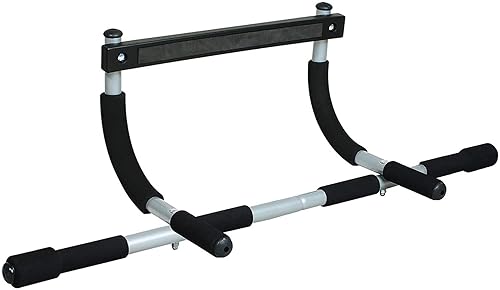
- A bench and a pull-up bar or lat pulldown machine
- A timer for rest periods
Step 2: Build Each Training Day
Each session should start with your heaviest, most technically demanding movement, then move to accessory work. Aim for four to six exercises per day, with two to four working sets each.
Push Day Template
- Barbell or dumbbell bench press: 3 sets of 6–10 reps
- Seated dumbbell shoulder press: 3 sets of 8–12 reps
- Incline dumbbell press: 3 sets of 10–12 reps
- Cable or dumbbell lateral raise: 3 sets of 12–15 reps
- Triceps pushdown: 2–3 sets of 10–15 reps
Pull Day Template
- Lat pulldown or pull-up (assisted if needed): 3 sets of 8–10 reps
- Seated cable row: 3 sets of 8–12 reps
- One-arm dumbbell row: 3 sets of 10–12 reps per side
- Face pull or rear delt fly: 3 sets of 12–15 reps
- Dumbbell or cable biceps curl: 2–3 sets of 10–15 reps
Leg Day Template
- Back squat or goblet squat: 3 sets of 6–10 reps
- Romanian deadlift: 3 sets of 8–10 reps
- Leg press or Bulgarian split squat: 3 sets of 10–12 reps per side
- Seated or lying leg curl: 3 sets of 10–15 reps
- Hip thrust: 3 sets of 10–12 reps
- Standing calf raise: 3 sets of 12–15 reps
Step 3: Apply Progressive Overload
Muscle and strength change when you gradually ask more of them. The simplest method is double progression: work within a rep range, such as 8 to 12. When you hit the top of that range on every set with good form, increase the weight slightly and drop back to the bottom of the range. Upper-body lifts often move in 2.5 to 5 pound jumps, while lower-body lifts may increase by 5 to 10 pounds.
You can also progress by adding a set, slowing the lowering phase, or reducing rest time, but change only one variable at a time so you can track what is working.
Sample Progression Over Four Weeks
- Week 1: Establish working weights, RPE around 7
- Week 2: Same weights, aim for one or two more reps per set
- Week 3: Increase weight once you hit the top of the rep range
- Week 4: Hold the new weight, accumulate reps, then deload if fatigue builds
Step 4: Manage Recovery and Nutrition
A split only works if you recover between sessions. Most women training three days a week benefit from seven to nine hours of sleep and adequate protein. Many coaches suggest roughly 1.6 grams of protein per kilogram of body weight per day for people building muscle, though individual needs vary. Eat enough total calories to support training; under-eating is one of the most common reasons progress stalls. If you have a medical condition, are pregnant, or are returning from injury, consult a doctor or qualified professional before starting or changing your program.
Common Mistakes
- Choosing weights that are too light. If every set feels easy, you are not building strength. Work within two or three reps of failure on most sets.
- Skipping leg day. Legs are the largest muscle group and drive much of your metabolic demand. Avoiding them creates visible imbalances.
- Adding too many exercises. More is not better. Four to six well-chosen exercises per day usually produce more results than ten.
- Ignoring the pull side. Many women do more pressing than pulling. Balance your pulling volume so your posture and shoulder health stay strong.
- Not tracking workouts. Without logged numbers, you cannot apply progressive overload reliably.
- Changing the plan every week. Give a program at least four to six weeks before judging it.
Tips for Getting the Most From the Split
- Warm up with two or three lighter sets of your first exercise before working sets.
- Leave one to three reps in reserve on most sets to avoid burnout and injury.
- Rest two to three minutes between heavy compound lifts and one to two minutes between accessories.
- Film a set occasionally to check depth, bracing, and range of motion.
- If you want a variation with more volume or a different day order, Push Pull Legs Workout Template: A 6-Day Plan With Sets and Reps offers a longer structure you can adapt once the three-day version feels comfortable.
- If you train at home with limited equipment, Push Pull Legs at Home With Dumbbells: 7 Best Setups Compared (2026) shows how to adjust exercises for a dumbbell-only setup.
Recommended gear
These items make the split easier to run consistently, especially if you train at home or want to add resistance without a full gym.
- Adjustable dumbbells let you scale weight as you progress without buying a full rack. View on Amazon
- Resistance bands add accessory work for pulls, rear delts, and glute activation between heavier sessions. View on Amazon
- A lifting belt can provide support on heavy squats and deadlifts once you are working near your limit. View on Amazon
- A training journal makes it simple to log loads and rep counts so you can apply double progression accurately. View on Amazon
FAQ
Is push pull legs good for women who want to build muscle?
Yes. The split gives each muscle group enough weekly volume to grow when you progress your loads and eat enough protein and calories. Results depend on consistency more than on the split itself.
How many days per week should a woman train push pull legs?
Three days is a popular starting point, with one or two rest days between sessions. Some people run the cycle over six days with a rest day after the third session. Choose the frequency you can recover from and sustain.
Will lifting heavy make women bulky?
Building significant muscle mass usually requires a sustained calorie surplus and years of training. Most women who lift regularly see firmer muscle and better shape rather than large size changes.
Can beginners start with push pull legs?
Yes, but start with lighter loads and focus on learning form. Use two or three sets per exercise and add volume gradually over the first few weeks.
How long should I rest between sets?
Rest two to three minutes after heavy compound lifts and one to two minutes after accessory exercises. Shorter rest may suit isolation work and higher-rep sets.
What if I miss a training day?
Resume with your next scheduled session. Do not try to double up or cram missed work into one day. Consistency over several weeks matters more than any single session.
Should I see a professional before starting?
If you have a heart condition, joint problem, previous injury, pregnancy, or any other health concern, speak with your doctor or a qualified trainer first. A physical therapist can help if pain persists during training.
Conclusion
A push pull legs split gives women a clear, repeatable structure for building strength and shape. Set your baseline, build balanced sessions, progress your loads with double progression, and recover well. Track your numbers and give the program several weeks before making changes.
Related reading
Ready to choose one?
About Emily Parker
Emily Parker is part of our editorial team and reviews and edits our workout programs & splits guides, checking product details against manufacturer specifications and owner feedback.