By Colin Foster
Updated November 2026
Push pull legs vs upper/lower vs full body is a question most lifters eventually face, and the honest answer depends on how many days you can train, how long each session can run, and how well you recover. Full body suits beginners and anyone with three days or less. Upper/lower works well for people training four days a week who want a balance of frequency and volume. Push/pull/legs fits lifters with five or six training days who want to hit each muscle group hard and have room to recover between sessions.
Push Pull Legs vs Upper/Lower vs Full Body: Side-by-Side Comparison
| Criteria | Full Body | Upper/Lower | Push/Pull/Legs |
|---|---|---|---|
| Typical training days | 3 | 4 | 5–6 |
| Training frequency per muscle | 2–3x per week | 2x per week | 2x per week (more with 6 days) |
| Session length | 45–60 minutes | 50–70 minutes | 50–75 minutes |
| Volume per muscle per session | Low to moderate | Moderate | Moderate to high |
| Recovery demand | Low to moderate | Moderate | Moderate to high |
| Best experience level | Beginner | Beginner to intermediate | Intermediate to advanced |
| Ease of scheduling | Easiest to miss-proof | Flexible | Requires consistent weekly time |
| Missed-session impact | Small | Moderate | Can leave a muscle group short |
| Exercise variety | Limited per session | Good | Highest |
Training Frequency: Which Option Hits Muscles Most Often?
Frequency is where these three splits differ most. In a full body program, every muscle group is trained two or three times per week, which research on training frequency generally supports as an effective way to build strength and size when weekly volume is adequate. Upper/lower places each muscle group about twice per week, with upper body days and lower body days alternating. Push/pull/legs also typically yields two sessions per muscle group per week when run six days, though a five-day version may hit some muscles only once.
Winner: Full body for frequency, since it spreads training most evenly across the week. Push/pull/legs runs a close second when you train six days.
Muscle Building Potential: Which Split Builds More Size?
Muscle growth depends mostly on total weekly volume, meaning the number of hard sets per muscle group, and on training close enough to failure to create a stimulus. All three splits can build muscle if they are programmed with enough sets. Push/pull/legs makes it easiest to accumulate high volume per muscle in each session, because you can perform 12 to 20 sets for chest or back without the session becoming unmanageable. Upper/lower offers a middle path, and full body usually caps per-session volume, so you need to distribute sets across more days to match the same weekly total.
For a practical target, many coaches suggest 10 to 20 hard sets per muscle group per week for intermediate lifters, though individual response varies. A full body beginner might do 8 to 12 sets per muscle group weekly, which is enough for early progress.
Winner: Push/pull/legs for high-volume hypertrophy in experienced lifters. Full body and upper/lower are better matched to beginners or those with limited time.
Recovery and Fatigue: Which Split Is Easiest to Sustain?
Recovery is the constraint most lifters underestimate. Full body sessions are generally lighter per workout, which means less systemic fatigue each time you train, and this makes them well suited to people who sleep less, work physically demanding jobs, or are returning to training after a break. Upper/lower places heavy compound lifts on alternating days, so each session has a recovery window of roughly 48 hours. Push/pull/legs can accumulate fatigue if you train six days straight, particularly if leg day is heavy and the following push day arrives before you feel ready.
If you notice persistent soreness, declining performance across two or three weeks, or poor sleep, reduce volume or add a rest day before changing your split. For concerns about overtraining or injury, consult a qualified healthcare provider or a certified coach.
Winner: Full body for the lowest recovery demand, with upper/lower as a balanced middle ground.
Scheduling and Consistency: Which Split Fits a Busy Week?
The best program is the one you actually complete. Full body is the most forgiving schedule: if you miss a Tuesday session, you still trained the whole body earlier in the week and can shift the workout without much loss. Upper/lower works well on a four-day week (for example, Monday upper, Tuesday lower, Thursday upper, Friday lower), and it leaves weekends free. Push/pull/legs asks for more consistent time commitment, and missing a leg day in a three-day rotation can leave a muscle group undertrained for more than a week.
Winner: Full body for schedule flexibility. Upper/lower is the strongest choice for four-day lifters.
Exercise Variety and Progression: Which Option Offers More Options?
Push/pull/legs gives you the most room to vary exercises, since each day focuses on a narrow set of movements and you can rotate accessory lifts across weeks without losing structure. This variety helps with joint comfort and long-term interest. Upper/lower also rotates well, with separate heavy and moderate-rep days in each half. Full body limits how many exercises fit per session, so you tend to choose the most efficient movements, such as squats, presses, rows and hinges.
Progression works in all three splits. A simple approach is double progression: pick a rep range such as 8 to 12, add reps across sets, and once you reach the top of the range on every set, increase the load by a small increment, often 2.5 to 5 pounds for upper body exercises and 5 to 10 pounds for lower body exercises.
Winner: Push/pull/legs for variety and exercise selection.
Which Should You Choose?
- Choose full body if you are a beginner, train three days a week or fewer, or have a demanding job or limited sleep.
- Choose upper/lower if you train four days a week, want a balanced split, and prefer clear recovery windows between sessions.
- Choose push/pull/legs if you train five or six days, have at least intermediate experience, and want high volume per muscle group.
- Choose full body if your schedule changes often and you need a program that tolerates missed sessions.
- Choose upper/lower if you want more volume than full body without the six-day commitment of push/pull/legs.
- Choose push/pull/legs if you enjoy structured, focused sessions and want to specialize in a movement pattern on each day.
If you are still deciding, read our guide to Full Body Split vs Push Pull Legs (2026): Which Is Better for Your Training? for a deeper look at frequency and volume, or compare Upper Lower vs Push Pull Legs (2026): Which Is Better for Your Training? for a closer look at the four-day option. Lifters weighing three-day plans should also review Push Pull Legs 3 Days a Week vs Full Body 3-Day Split: Which Is Better?. For a hybrid approach, see Push Pull Legs Upper Lower Split: A Step-by-Step Guide for Lifters.
Recommended Equipment for Each Split
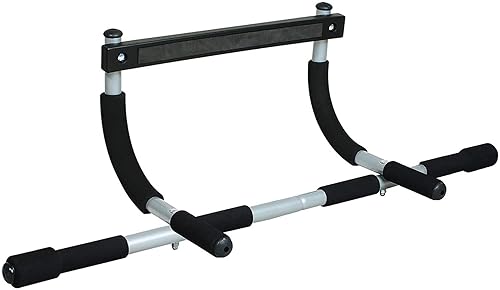
All three splits rely on the same core tools: a barbell, adjustable dumbbells, a squat rack or power rack with safety pins, and a flat or adjustable bench. Full body lifters benefit from a sturdy rack for squats and presses. Push/pull/legs lifters often add a cable station or lat pulldown for back volume, and upper/lower lifters tend to value a solid bench and a row machine.
Full body option: View on Amazon
Upper/lower option: View on Amazon
Push/pull/legs option: View on Amazon
FAQ
Is push pull legs better than upper/lower for building muscle?
Push pull legs can produce more volume per muscle group in a single session, which helps when you are training five or six days a week. Upper/lower can build muscle just as well at four days a week if total weekly volume is similar. Consistency and progressive overload matter more than the split name.
Can a beginner start with push pull legs?
Beginners usually progress faster on full body training, which practices the main lifts more often and keeps weekly volume manageable. Push/pull/legs is better introduced once you can recover from six training days and have a few months of consistent lifting behind you.
How many days a week do I need for upper/lower?
Upper/lower is typically run four days a week, alternating upper and lower sessions. Three days is possible with rotating sessions, but four gives each muscle group a more consistent weekly dose.
Is full body or push pull legs better for fat loss?
Fat loss depends primarily on your calorie balance and protein intake. Full body training burns calories across the whole body each session and fits easily into a calorie deficit, while push/pull/legs can support fat loss if recovery stays good. Choose the split you can sustain.
Can I switch between these splits?
Yes. Many lifters start with full body, move to upper/lower as they gain experience, and later adopt push/pull/legs. Change splits when your schedule, recovery or goals change, and give each program at least six to eight weeks before judging it.
Conclusion
Push pull legs vs upper/lower vs full body has no single winner for everyone. Full body is the most efficient and forgiving choice for beginners and busy schedules. Upper/lower offers a strong balance for four-day lifters. Push/pull/legs delivers the highest volume and variety for experienced lifters who can commit to six days. Pick the split that matches your training days, recovery capacity and experience level, then apply progressive overload consistently. Consult a qualified coach or healthcare professional if you have injuries or medical conditions that affect your training.
About Colin Foster
Colin Foster is part of our editorial team and reviews and edits our workout programs & splits guides, checking product details against manufacturer specifications and owner feedback.