As an Amazon Associate I earn from qualifying purchases. This page may contain affiliate links.
A 5k workout plan for beginners is a structured schedule that takes you from little or no running to finishing 3.1 miles, usually in about eight weeks. This guide gives you a run-walk progression, a weekly schedule you can print, the pacing rules that keep beginners from burning out, and the mistakes that cause most early quitters. You will also learn how to adjust the plan if you are starting from zero or already walk regularly.
What a Beginner 5K Plan Is Designed to Do
A beginner 5K plan is built on the idea that your tendons, bones, and cardiovascular system adapt more slowly than your motivation. Most injuries in new runners come from doing too much too soon, not from the running itself. So the plan spreads volume across three to four sessions per week, mixes running with walking, and increases total time by small amounts each week.
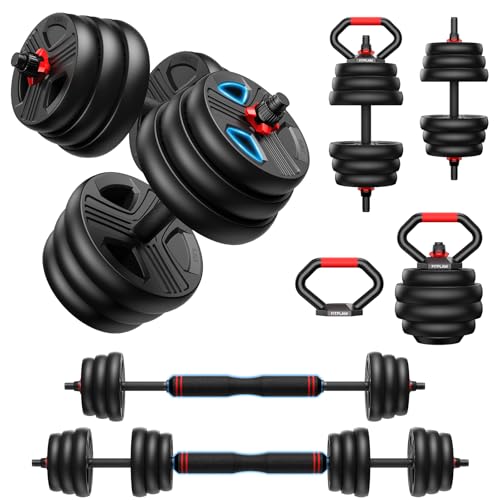
Shopping for one? See our guide: 5 Best Full Body Workout Equipment: 5 Top Picks Compared (2026).
Before you start, check with a doctor if you have heart disease, high blood pressure, joint problems, recent surgery, or any symptoms like chest pain or dizziness during exertion. The plan below is general fitness guidance, not medical advice.
Step 1: Check Your Starting Point
Pick your starting level honestly. Use the simple test below, and start at the level that feels slightly too easy rather than too hard.
- Level A (true beginner): You cannot jog for 5 minutes without stopping. Start with Week 1 of the plan.
- Level B (some activity): You walk 20 to 30 minutes most days but have not run. Start at Week 1 and move quickly through the first two weeks.
- Level C (regular exerciser): You can jog 10 to 15 minutes continuously. Start at Week 3.
A conversational pace is the test for effort. You should be able to speak in full sentences while running. If you cannot, slow down or walk.
Step 2: Gather What You Need
You do not need a gym, a coach, or expensive equipment. A short checklist covers almost everything:
- Running shoes fitted at a store that watches you walk or jog. Replace them every 300 to 500 miles.
- Moisture-wicking clothes suited to your local weather.
- A watch or phone app that tracks time and distance. A simple stopwatch works too.
- A route with a mix of flat ground and a few gentle slopes, ideally somewhere you can walk back if you need to.
- A calendar where you mark each completed workout.
Step 3: Follow the 8-Week Run-Walk Progression
Each week includes three running sessions and one rest or cross-training day. Run-walk intervals are written as run minutes, then walk minutes, repeated for the number of rounds shown. Always begin with a 5-minute brisk walk and end with a 5-minute easy walk.
Weeks 1 to 2: Build the Habit
The goal here is consistency, not fitness. Keep every session easy enough that you finish feeling like you could do more.
- Session 1: Run 60 seconds, walk 90 seconds. Repeat 8 times (20 minutes of intervals).
- Session 2: Same as Session 1.
- Session 3: Run 90 seconds, walk 2 minutes. Repeat 6 times (21 minutes of intervals).
Weeks 3 to 4: Extend the Running Blocks
- Session 1: Run 3 minutes, walk 90 seconds. Repeat 5 times.
- Session 2: Run 4 minutes, walk 90 seconds. Repeat 4 times.
- Session 3: Run 5 minutes, walk 2 minutes. Repeat 4 times.
Weeks 5 to 6: Build Toward Continuous Running
- Session 1: Run 8 minutes, walk 2 minutes. Repeat 3 times.
- Session 2: Run 10 minutes, walk 90 seconds. Repeat 3 times.
- Session 3: Run 15 minutes continuously, then walk 5 minutes.
Week 7: Long Run Practice
- Session 1: Run 12 minutes, walk 2 minutes, run 12 minutes.
- Session 2: Run 20 minutes continuously at conversational pace.
- Session 3: Run 25 minutes with 2 walk breaks of 60 seconds each.
Week 8: Race Preparation
- Session 1: Run 20 minutes easy.
- Session 2: Run 25 minutes easy, then 4 strides of 20 seconds at a faster but controlled pace.
- Session 3 (rest-day replacement, optional): Walk 30 minutes.
- Race day: Start slower than feels right. Walk any water station if needed. Finishing is the goal.
Step 4: Set Up a Simple Weekly Schedule
Spread your three running days so there is at least one rest day between each. This table shows one sample week you can repeat.
| Day | Activity | Purpose |
|---|---|---|
| Monday | Run-walk session 1 | Build running tolerance |
| Tuesday | Rest or 20-minute walk | Recovery |
| Wednesday | Run-walk session 2 | Build running tolerance |
| Thursday | Rest or mobility work | Recovery |
| Friday | Run-walk session 3 | Progress the longest interval |
| Saturday | Easy walk, 30 to 45 minutes | Active recovery |
| Sunday | Rest | Full recovery |
If you miss a workout, repeat the current week rather than skipping ahead. Missing two or more sessions in a row is a sign to hold the week for another round.
Step 5: Pace and Monitor Effort
Pace is less important than effort in the first eight weeks. Use these rules:
- Run at a pace where you can speak in short sentences.
- If your breathing becomes ragged or you cannot talk at all, slow down or walk.
- Expect your pace to improve over several weeks without you forcing it.
- Use a heart rate zone only if you have a monitor and understand it. Many beginners find perceived effort more reliable.
Pain is different from effort. Sharp pain, pain that changes your stride, or pain that gets worse as you run means stop and rest. Calf soreness and general leg fatigue are normal in the first two weeks.
Step 6: Add Strength and Mobility Work
Two short strength sessions per week reduce injury risk and make running feel easier. Pick two sessions from the list below and do two to three rounds of each, resting 60 to 90 seconds between sets. Stop each set when you could not do another repetition with good form.
- Bodyweight squats: 2 sets of 10 to 15
- Glute bridges: 2 sets of 12 to 15
- Calf raises: 2 sets of 15 to 20
- Forward lunges: 2 sets of 8 per leg
- Side planks: 2 sets of 20 to 30 seconds per side
- Dead bugs: 2 sets of 8 per side
For a bit more detail on building a balanced weekly routine around running, see How to Create a Workout Plan: A Step-by-Step Guide for Beginners and Beginner Workouts: How to Start and Progress Safely.
Common Mistakes Beginners Make
- Running every day. Recovery is when adaptation happens. Three running days per week is enough for this plan.
- Going out too fast. The first minute of a run usually feels great, which is why it is the most common place to overdo it.
- Skipping the walk breaks. Walking is not failure. It keeps your legs fresh enough to finish the week.
- Increasing too quickly. A good rule is to add no more than about 10 percent more running time per week.
- Ignoring sleep and food. Poor sleep and under-eating slow recovery more than most beginners expect.
- Wearing worn-out shoes. Old cushioning is a frequent cause of shin and knee complaints.
Tips for Staying on Track
- Schedule runs like appointments and protect the time.
- Find a running partner or join a beginner group for accountability.
- Run on flat, familiar routes for the first few weeks.
- Keep a short log of how each session felt. It helps you spot patterns.
- Celebrate each completed week, not just race day.
If you want a broader framework for planning fitness goals beyond running, How to Create a Good Workout Plan: 6 Steps for Lasting Results covers goal setting and progression in more depth.
Recommended Gear
- Brooks Ghost (running shoe): A widely available neutral running shoe with cushioning many beginners find comfortable for longer runs. Get a fitting before buying, since the right size and width matter more than the model. View on Amazon
- Garmin Forerunner 55 (GPS watch): A simple GPS watch that tracks pace, distance, and run-walk intervals so you do not have to watch the clock. View on Amazon
- Yoga mat (for strength and mobility work): A basic mat gives you a comfortable surface for glute bridges, dead bugs, and side planks. View on Amazon
FAQ
How long does a beginner 5K plan take?
Most beginners finish this eight-week plan ready to run a 5K, though some need an extra week or two. Repeat any week that feels too hard rather than pushing forward.
Can I walk the whole 5K?
Yes. Walking a 5K is a legitimate goal and many events welcome walkers. You can also mix walking and running on race day.
How often should a beginner run?
Three running sessions per week, with rest days between them, is a solid starting point. Adding more running before your body adapts increases injury risk.
Should I run every day to get faster?
Not at the start. Most improvement in early running comes from consistent, moderate training with easy days. Speed work can be added gradually after you have run continuously for at least 20 minutes.
What if my knees or shins hurt?
Mild muscle soreness is normal, but sharp or worsening pain is not. Stop running, rest for several days, and see a doctor or physical therapist if the pain persists.
Do I need to stretch before running?
A 5-minute brisk walk and light leg swings before running are more useful than long static stretches. Static stretching works better after a run.
What should I eat before a 5K?
Eat a light meal with carbohydrates 1 to 3 hours before the race, and stay hydrated through the day. Avoid trying new foods on race day. A registered dietitian can tailor advice if you have dietary restrictions.
Conclusion
A 5k workout plan for beginners works because it respects how slowly the body adapts. Start at the level that feels a little easy, use run-walk intervals to build endurance, and protect your recovery days. Follow the eight-week progression, track how each session feels, and you will be ready to cross the finish line of your first 5K.