By Emily Parker
Updated November 2026
Is push pull legs better than bro split? For most intermediate lifters who can train five or six days a week, push/pull/legs (PPL) tends to edge ahead because it hits each muscle group about twice weekly with balanced volume. The bro split, which dedicates one day to each major muscle group, still makes sense for lifters who want long, intense sessions on a single body part, have only three or four training days, or simply prefer that style of workout. The right answer depends on your schedule, recovery and goals more than on any universal rule.
| Criterion | Push Pull Legs (PPL) | Bro Split |
|---|---|---|
| Typical training frequency per muscle | 2x per week | 1x per week |
| Days per week required | 3 to 6 | 4 to 6 |
| Session length | 45 to 75 minutes | 45 to 90 minutes |
| Weekly sets per muscle (typical) | 10 to 20 | 10 to 20, concentrated in one session |
| Recovery between sessions for a given muscle | About 48 to 72 hours | About 6 to 7 days |
| Best for beginners and intermediates | Yes | Mostly intermediates and advanced |
| Ease of scheduling around a busy week | Flexible with 3-day or 6-day versions | Requires a fixed, full weekly schedule |
| Mental focus per session | Mixed muscle groups | One muscle group in depth |
Training Frequency: Which Split Wins?
Frequency is where PPL has its clearest advantage. Research on resistance training generally suggests that training each muscle at least twice per week produces better hypertrophy than training it once, assuming total weekly volume is similar. PPL spreads your sets across two sessions, so a chest day on Monday and a chest-focused push day on Thursday both count toward your weekly work.
The bro split usually gives each muscle one heavy session per week. That can work well if you push close to failure and keep volume high, but it leaves a longer gap between stimulus and stimulus. Winner for frequency: Push Pull Legs.
Recovery and Fatigue Management
Recovery depends on how much work each muscle absorbs and how long it has to rebound. PPL pairs muscles that share fatigue: pushing muscles (chest, front and side delts, triceps) on one day, pulling muscles (back, rear delts, biceps) on another, and the lower body on the third. Because the groups recover on different schedules, you can usually train a muscle again within 48 to 72 hours without accumulating excessive fatigue.
The bro split gives each muscle about six or seven days to recover, which is generous. Lifters who struggle with recovery, sleep fewer than seven hours or eat in a deficit often find this easier to tolerate. Winner for recovery: Bro Split, especially for lifters with limited recovery capacity.
Volume and Muscle Growth Potential
Total weekly volume matters more than the split you use. A practical starting range for most lifters is 10 to 20 hard sets per muscle group per week, adjusted up or down based on how you respond. PPL makes it easier to reach that range while keeping individual sessions manageable, because you split the work across two days. The bro split can reach the same totals, but you need to be willing to do 12 to 20 sets on a single day, which many people find grueling and hard to recover from.
Gains depend on consistent progressive overload, adequate protein and enough total sleep. Neither split produces better muscle growth on its own. Winner for volume management: Push Pull Legs.
Scheduling Flexibility
PPL works in several formats. A three-day version runs Push, Pull, Legs once each, then repeats. A six-day version runs the cycle twice per week, which is the most common intermediate setup. If you miss a day, you can shift the order without losing the overall structure.
The bro split is more rigid. Five or six training days are usually required to give each muscle its own session, and skipping a day means a body part goes untrained for the week. Winner for flexibility: Push Pull Legs.
Session Length and Workout Focus
Many lifters prefer the bro split because each workout is focused. A chest day is a chest day, and you can spend time on variations, tempo work and isolation exercises without worrying about other muscles. Some people find this mentally satisfying and easier to plan.
PPL sessions combine muscles, which can make each workout feel busier. Still, sessions are often shorter because each one covers fewer total sets than a dedicated bro day with heavy chest or back volume. Winner for focus: Bro Split. Winner for shorter sessions: Push Pull Legs.
Strength Development
Strength improves most when you practice the main lifts often enough to get skilled and recover between heavy efforts. PPL gives you two chances per week to train each major lift, such as bench press and squat in a six-day version, which supports skill development. The bro split may train the bench press once weekly, so progress on that lift can be slower if you rely on it as your only exposure. Winner for strength: Push Pull Legs.
Which Should You Choose?
Use the following guidance to match a split to your situation:
- Choose Push Pull Legs if you can train three to six days per week and want each muscle trained twice weekly.
- Choose Push Pull Legs if you are a beginner or early intermediate who benefits from frequent practice of lifts.
- Choose Push Pull Legs if your schedule changes often and you need flexible training days.
- Choose the Bro Split if you are an intermediate or advanced lifter with strong recovery and enjoy long, focused sessions on one muscle group.
- Choose the Bro Split if you can train at least five days per week with a consistent routine.
- Choose the Bro Split if you recover poorly on high-frequency training and need more rest per muscle.
If you are unsure, start with PPL for eight to twelve weeks, track your strength and how your joints and energy feel, and adjust from there. For a complete starting point, see Push Pull Legs vs Bro Split (2026): Which Is Better for Building Muscle? for a deeper look at growth outcomes. Beginners wanting a structured first plan should read Push Pull Legs Workout Split for Beginners: A Step-by-Step Guide. If you are comparing other structures, Upper/Lower Split vs Push/Pull/Legs (2026): Which Is Better for Your Training? and Push/Pull Legs vs Full Body (2026): Which Is Better for Your Goals? cover alternatives.
Gear to Support Either Split
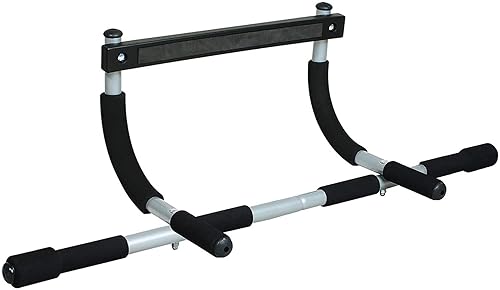
Neither split requires special equipment, but a few basics make both easier to run. A sturdy adjustable bench helps with pressing and rows, and a set of adjustable dumbbells covers much of the accessory work.
- View on Amazon for adjustable dumbbell work in either split.
- View on Amazon for incline and flat pressing and rowing variations.
If you have a history of joint problems or are returning from injury, consult a physical therapist or doctor before changing your training frequency or loading.
FAQ
Is push pull legs better than bro split for building muscle?
For most lifters who can train at least three days per week, PPL gives a useful edge because it trains each muscle about twice weekly. Bro split can produce similar growth if total weekly volume is equal and you train hard, but it demands more recovery per session.
Can beginners use the bro split?
Beginners can, but it is usually not the best first choice. Beginners benefit from frequent practice of the main lifts, which PPL supplies more readily. Once you have a solid base, a bro split can be a reasonable option.
How many days per week do I need for each split?
PPL works on three or six days. Bro split typically requires four to six days so each major muscle gets its own session. Choose the format that fits your real schedule rather than an ideal one you rarely hit.
Is the bro split outdated?
Not necessarily. Many experienced lifters still use it because they like dedicated sessions and recover well. Its effectiveness depends on total volume and effort, not on how modern the approach sounds.
What if I can only train three days a week?
A three-day PPL rotation is the most practical choice. You train each muscle roughly once per week in that format, so consider adding a few extra sets for weak areas or using a full-body option if you want twice-weekly frequency. A healthcare or fitness professional can help adjust the plan if you have injuries or medical conditions.
Conclusion
For most people asking whether push pull legs is better than bro split, the answer is yes, provided they can train three or more days weekly and want each muscle trained twice. PPL offers better frequency, more scheduling flexibility and easier volume management. The bro split remains a solid choice for experienced lifters who recover well and prefer deep, single-muscle sessions. Pick the split you can sustain for months, track your lifts and adjust based on results rather than trends.
About Emily Parker
Emily Parker is part of our editorial team and reviews and edits our workout programs & splits guides, checking product details against manufacturer specifications and owner feedback.