By Colin Foster
Updated November 2026
A workout routine push pull legs split groups your training by movement pattern instead of by body part. You train pushing muscles one day, pulling muscles the next, and legs on a third day, then repeat the cycle. This guide walks you through choosing your frequency, filling each day with the right exercises, setting sets and reps, progressing over time, and avoiding the errors that stall most lifters.
What a Push Pull Legs Workout Routine Is
Push pull legs, often shortened to PPL, sorts exercises by how they move the body. Push days cover movements where you press weight away from your torso: chest, shoulders and triceps. Pull days cover movements where you draw weight toward your torso: back, rear delts and biceps. Leg days cover squatting, hinging and lower-body isolation work for the quads, hamstrings, glutes and calves.
Shopping for one? See our guide: Push Pull Legs Workout Routine With Dumbbells: 3 Best Picks (2026).
The appeal is simple. Muscles that work together are trained together, so each session is focused and you rarely run out of energy for the most important lifts. Many lifters also find the split easy to schedule because it fits a three-day cycle that can be run two times a week or stretched across six days.
Step 1: Choose Your Training Frequency
How often you run the split determines how much volume each muscle receives per week. Most people fall into one of two patterns.
- Three days per week (one cycle): Push, pull and legs on alternating days with a rest day between some sessions. Each muscle group is trained once per week. This suits beginners, people short on time, or anyone recovering from a hard training block.
- Six days per week (two cycles): Push, pull, legs, then repeat, with one rest day. Each muscle group is trained twice per week, which is the most common setup for building muscle.
If you are new to lifting, start with three days. Move to six only when you can complete your sets with good form and recover between sessions without constant soreness.
Step 2: Build Each Workout Day
Each day should open with your heaviest compound lift, then move to supporting movements, and finish with isolation work. A reasonable template looks like this:
Push Day
- Barbell or dumbbell bench press: 3–4 sets of 6–10 reps
- Seated overhead press: 3 sets of 8–10 reps
- Incline dumbbell press: 3 sets of 10–12 reps
- Cable or dumbbell lateral raise: 3 sets of 12–15 reps
- Triceps pushdown: 3 sets of 10–12 reps
- Overhead triceps extension: 2–3 sets of 12–15 reps
Pull Day
- Pull-ups or lat pulldowns: 3–4 sets of 6–10 reps
- Barbell or chest-supported row: 3 sets of 8–10 reps
- Seated cable row: 3 sets of 10–12 reps
- Face pulls: 3 sets of 12–15 reps
- Incline dumbbell curl: 3 sets of 10–12 reps
- Hammer curl: 2–3 sets of 10–12 reps
Leg Day
- Back squat or leg press: 3–4 sets of 6–10 reps
- Romanian deadlift: 3 sets of 8–10 reps
- Walking lunges or Bulgarian split squats: 3 sets of 10 reps per leg
- Seated or lying leg curl: 3 sets of 10–12 reps
- Leg extension: 3 sets of 12–15 reps
- Standing calf raise: 3–4 sets of 12–15 reps
Step 3: Set Your Sets, Reps and Rest
For muscle growth, most people do well with 10–20 hard sets per muscle group per week, split across sessions. Heavier compound lifts in the 6–10 rep range build strength, while 10–15 reps on isolation work builds size with less joint stress. Rest 2–3 minutes between heavy compound sets and 60–90 seconds between isolation sets.
Stop most sets about 1–3 reps short of failure. If you could do six more clean reps, you are leaving too much on the table. If you cannot finish the target rep range with decent form, the weight is too heavy.
Step 4: Progress Your Training Over Time
A routine that never changes stops producing results. Use one of these methods to progress:
- Double progression: Pick a rep range such as 8–12. Use a weight you can handle for 8 reps. When you reach 12 reps on every set, increase the weight slightly and start back at 8.
- Add weight weekly: On compound lifts, add 2.5–5 pounds to the bar when you complete all prescribed sets and reps with good form.
- Add volume: If you are recovering well, add one set to an exercise every two to three weeks, up to about 5 sets for a movement.
Track every session in a notebook or app so you know exactly what you lifted last time.
Common Mistakes to Avoid
- Skipping leg day. Leg training is often the first thing dropped. Keeping it in the rotation prevents lopsided development and reduces injury risk.
- Treating every set as a max effort. Going to failure on every exercise leads to fatigue that carries across the week.
- Ignoring the pull muscles. Many lifters train pressing far more than rowing. Balance your pull volume with your push volume to protect your shoulders.
- Changing exercises constantly. Stick with the same core lifts for at least 6–8 weeks so you can measure progress.
- Neglecting recovery. Sleep, protein intake and rest days matter as much as the program itself.
Tips for Making the Routine Work
- Warm up with 1–2 lighter sets of your first exercise before working sets.
- Use a full range of motion on every rep when weight allows.
- If a joint hurts during an exercise, swap it for a variation that feels better rather than pushing through pain.
- Plan your weekly schedule in advance so missed sessions do not throw off the cycle. If you miss a day, continue with the next one in order rather than trying to make up the whole week.
- Eat enough protein, roughly 0.7–1 gram per pound of goal body weight daily, to support muscle repair.
Recommended gear
A few pieces of equipment make a push pull legs routine easier to run consistently at home or in the gym.
- Adjustable dumbbells: They cover most of the incline press, row and curl work without needing a full rack of weights. View on Amazon
- Resistance bands: Useful for face pulls, pushdowns and warm-ups, and they let you add tension to exercises where weight is hard to load. View on Amazon
- Lifting straps: Help you hold heavy rows and pulldowns when grip becomes the limiting factor. View on Amazon
Sample Weekly Schedule
The table below shows a six-day version of the split with one rest day. Each muscle group is trained twice per week.
| Day | Focus | Main Lifts |
|---|---|---|
| Monday | Push | Bench press, overhead press, lateral raise, triceps work |
| Tuesday | Pull | Pull-ups or pulldowns, rows, face pulls, curls |
| Wednesday | Legs | Squat or leg press, Romanian deadlift, leg curl, calves |
| Thursday | Rest | Light walking, mobility |
| Friday | Push | Incline press, dumbbell press, lateral raise, pushdowns |
| Saturday | Pull | Rows, pulldowns, rear delt raise, hammer curls |
| Sunday | Legs | Lunges, leg extension, leg curl, calves |
If you prefer three days, run Push on Monday, Pull on Wednesday and Legs on Friday, then start the cycle again the following week.
FAQ
Is a push pull legs workout routine good for beginners?
It can be, but beginners usually do better starting with the three-day version. Focus on learning form on the main lifts before adding a second weekly cycle.
How long does it take to see results from a PPL split?
Most people notice strength gains within two to four weeks and visible muscle changes after several months of consistent training and adequate nutrition.
Can I do push pull legs at home?
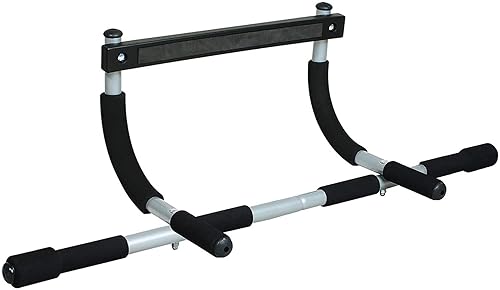
Yes. Adjustable dumbbells, resistance bands and a pull-up bar can cover most exercises. Legs are the hardest to replicate, so bodyweight squats, lunges and single-leg work should be built in.
Should I combine push pull legs with cardio?
Light cardio on rest days or after lifting is fine. Keep heavy cardio separate from leg days so it does not hurt your leg recovery.
What if I miss a training day?
Resume with the next workout in the order of the cycle. Do not double up sessions to catch up.
Is PPL better than full body training?
Neither is universally better. PPL allows more volume per session, while full body training trains each muscle more often. Choose the one you can stick with consistently.
Do I need to see a professional before starting?
If you have a heart condition, joint injury, recent surgery or other health concern, consult a doctor or a qualified physical therapist before beginning a new strength program.
Conclusion
A workout routine push pull legs split gives you a clear structure: push, pull and legs, repeated at a frequency that fits your schedule. Start with three days if you are new, fill each session with compound lifts followed by isolation work, and progress steadily with double progression or small weekly increases. Stay consistent, track your numbers, and adjust only when the data tells you to.
Related reading
- Push Pull Legs Workout Routine for Hypertrophy: A 6-Day Plan With Sets and Reps
- Best Push Pull Legs Workout Routine: A 6-Day Plan With Sets and Reps
- Top 7 Push-Pull Legs Resistance Bands for Home Workouts
- Sample Push Pull Legs Routine: A 6-Day Plan With Sets and Reps
Ready to choose one?
About Colin Foster
Colin Foster is part of our editorial team and reviews and edits our workout programs & splits guides, checking product details against manufacturer specifications and owner feedback.