By Theo Dawson
The best push pull legs workout routine groups your training into three movement days: push, pull, and legs. Run that cycle twice a week and you train each muscle group about twice weekly, which is a strong setup for building size and strength without overloading any single session. This guide gives you exercise selection, set and rep ranges, a weekly layout, and a simple way to progress over months.
Why Push Pull Legs Works for Most Lifters
Push pull legs, often shortened to PPL, sorts exercises by what they do rather than by body part. Push days cover chest, shoulders, and triceps, which all extend the arms or press weight away from the body. Pull days cover back, rear delts, and biceps, which bring weight toward the body. Leg days cover quads, hamstrings, glutes, and calves.
This structure works because the muscles on each day are used together, so you can train them hard without leaving the next day’s session fatigued from the previous one. It also gives you flexibility. You can run it as three days a week for a lighter schedule or six days for maximum frequency. For a broader comparison, see 7 Best Push Pull Legs Split Programs and Tools for 2026.
Step 1: Choose Your Training Frequency
Decide how many days you can train consistently before you pick exercises. Most people fall into one of two options:
- Three days per week: Push, pull, and legs once each. Each muscle group gets one hit per week. Good for beginners or anyone with limited recovery time.
- Six days per week: Push, pull, legs, then repeat. Each muscle group gets two sessions per week. Better for intermediate lifters who recover well.
If you are new to lifting, start with three days and add the second cycle once you can complete all planned sets with good form for two straight weeks. For a structure aimed at first-timers, Women's Beginner Gym Workout Plan: 8 Best Programs for New Lifters (2026) covers how to ease in.
Step 2: Pick Your Exercises
Choose one or two compound lifts first, then add isolation work. Compound lifts move several joints and load large muscles, so they should come early in each session while you are fresh.
Push Day Exercises
- Barbell or dumbbell bench press (main chest lift)
- Seated overhead press (main shoulder lift)
- Incline dumbbell press
- Cable or dumbbell lateral raise
- Triceps pushdown or overhead triceps extension
Pull Day Exercises
- Pull-up or lat pulldown (main vertical pull)
- Barbell or chest-supported row (main horizontal pull)
- Seated cable row
- Face pull or reverse dumbbell fly
- Dumbbell or barbell curl
Leg Day Exercises
- Back squat or leg press (main quad lift)
- Romanian deadlift (main hamstring and glute lift)
- Leg extension
- Seated or lying leg curl
- Standing calf raise
For more options on movements in the upper body, see Upper-Body Exercises: Push and Pull Movements.
Step 3: Set Sets and Rep Ranges
Use these ranges as a starting point. They balance strength and hypertrophy work.
| Exercise type | Sets | Reps | Rest |
|---|---|---|---|
| Main compound lift (bench, squat, row) | 3–4 | 6–8 | 2–3 minutes |
| Secondary compound (incline press, RDL) | 3 | 8–10 | 90–120 seconds |
| Isolation (raises, curls, extensions) | 2–3 | 12–15 | 60–90 seconds |
Stop each set when you have about two reps left in the tank. Going to complete failure on every set increases fatigue without much extra benefit for most people.
Step 4: Build a Weekly Schedule
A sample six-day cycle looks like this:
- Day 1: Push
- Day 2: Pull
- Day 3: Legs
- Day 4: Rest
- Day 5: Push
- Day 6: Pull
- Day 7: Legs
Rotate so you do not always train the same days, but keep the order of push, pull, and legs consistent. Many lifters alternate between a six-day week and a rest-heavy week as recovery demands. Plan around your sleep and work schedule using ideas from Weekly Workout Schedules That Fit the Guidelines.
Step 5: Progress Your Training Over Time
Progression means doing more over time, and it is the part most routines skip. Use double progression for each exercise:
- Pick a rep range, for example 8–10 reps on a press.
- Use a weight where you can hit 8 reps on every set with good form.
- Once you hit 10 reps on all sets, increase the weight by the smallest jump available (usually 2.5 to 5 pounds for upper-body lifts, 5 to 10 pounds for lower-body lifts).
- Drop back to 8 reps with the new weight and repeat.
Log your sets so you know what to beat next week. If you stall for three or more sessions on one lift, reduce the weight by about 10 percent, rebuild, and push again.
Step 6: Warm Up and Recover
Spend five to ten minutes on light cardio, then do two or three warm-up sets of your first lift at roughly 50 and 70 percent of your working weight. Sleep seven to nine hours where possible, eat enough protein to support training, and take a deload week every six to eight weeks with about half the normal sets.
Common Mistakes
- Skipping the leg day. Legs are the most demanding session, so it is tempting to cut them. Doing so creates muscle imbalances and makes the other days harder.
- Going to failure every set. Leave one to two reps in reserve on most sets.
- Adding too many exercises. Four to six exercises per session is enough. More volume does not guarantee more growth.
- Ignoring the pull muscles. Lifters often press heavily and under-train rows and pulldowns, which can lead to shoulder discomfort. Match your pushing and pulling volume.
- Changing exercises every week. Keep the same lifts for at least four to six weeks so you can measure progress.
Recommended gear
Gear is optional, but a few items make the routine easier to run consistently at home or in a gym.
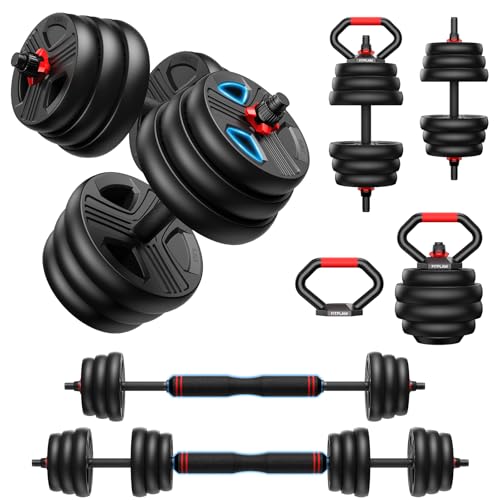
- Adjustable dumbbells: Let you move through the range of weights needed for lateral raises, curls, and pressing without filling a rack. View on Amazon
- Resistance bands: Useful for face pulls, band pull-aparts, and warm-ups between heavy sets. See Best Resistance Bands for Home Workouts: 5 Sets Compared for options. View on Amazon
- Lifting straps: Help you keep grip from limiting rows and pulldowns on heavier sets. View on Amazon
FAQ
Is push pull legs good for beginners?
It can work, but many beginners do better with a full-body routine first. PPL becomes more useful once you understand basic technique on the main lifts. A three-day version is a reasonable middle ground.
How many days a week should I do push pull legs?
Three days gives each muscle group one weekly session. Six days, running the cycle twice, gives two sessions per muscle group and suits lifters who recover well.
Should I train push, pull, or legs first?
Many lifters start with legs because they are the most demanding, but the order that works best is the one you can stick with. Keep it consistent so you can track progress.
Can I build muscle with push pull legs?
Yes, provided you train with sufficient weight, progress over time, and eat enough total food and protein. Consistency matters more than the specific split.
How long should each push pull legs workout take?
Most sessions run 50 to 75 minutes including warm-up. Limit yourself to four to six exercises to keep sessions manageable.
Do I need a gym for push pull legs?
No, but you need enough weight to load progressively. Adjustable dumbbells, resistance bands, and a sturdy pull-up bar can cover most movements at home.
What if I miss a day?
Continue with the next scheduled session rather than doubling up. One missed day will not undo progress. Repeated missed weeks are the real problem.
If you have a joint injury, heart condition, or are returning from a long layoff, consult a doctor or qualified coach before starting a new strength program.
Conclusion
The best push pull legs workout routine is one you can run consistently with clear sets, rep ranges, and a progression method. Start with three days if you are new, build to six as recovery allows, and log every session. Track your numbers, add weight when you hit your top rep range, and take a deload when progress stalls. Consistency over several months will do more than any single perfect week.
Ready to choose one?

About Theo Dawson
Theo covers workout programs & splits, comparing specs, features and long-term owner feedback to help readers choose with confidence.