By Juliet Palmer
Updated November 2026
Runners who want to add strength work often land on push-pull legs for runners as the cleanest way to fit lifting around mileage. The split groups exercises by movement pattern, so you can train upper body and lower body on separate days and keep leg fatigue under control before long runs. Choosing the right program or support tool matters, because a plan that looks good on paper can pile too much quad and calf stress onto a training week that already includes intervals or tempo work. The picks below were chosen on specifications, brand reputation and the patterns owners commonly report, with attention to how well each item supports a runner’s schedule, recovery and need for lower-body resilience.
Our top picks at a glance
- 1
 TOP CHOICEBest overallPush Pull Legs Program and Training LogView on Amazon
- 2
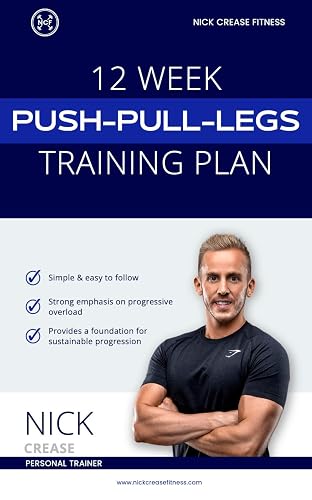 TOP CHOICEBest for structured programmingPush Pull Legs Training Plan: 12 week programmeView on Amazon
- 3
 TOP CHOICEBest for beginnersPush Pull Legs: The Ultimate Beginner GuideView on Amazon
- 4
 Best for hip and glute activationAnkle Bands for Working OutView on Amazon
- 5
 Best for hamstring workLeg Pulley Hook and Loop Ankle CuffsView on Amazon
- 6
 Best for calf and shin strengthAmazeFan Tib BarView on Amazon
- 7
 Best for mobility and flexibilityAmazeFan Leg StretcherView on Amazon
Our Top Picks
Quick Comparison
| Product | Best for | Key feature |
|---|---|---|
| Push Pull Legs Program and Training Log | Runners who want a written plan and a place to track sets | Program plus logbook format |
| Push Pull Legs Training Plan: 12 week programme | Runners who prefer a fixed, time-bound schedule | 12-week structured progression |
| Push Pull Legs: The Ultimate Beginner Guide | New lifters adding strength to a running base | Introductory explanation of the split |
| Ankle Bands for Working Out | Hip and glute activation before or after runs | Cuff-style resistance bands with exercise poster |
| Leg Pulley Hook and Loop Ankle Cuffs | Hamstring and leg curl work without heavy machines | Set of two adjustable padded cuffs |
| AmazeFan Tib Bar | Shin and calf strength for injury-prone runners | Tibialis trainer with weight plate attachment |
| AmazeFan Leg Stretcher | Flexibility and hip range of motion | Three-bar stretching frame |
Push Pull Legs Program and Training Log
Push Pull Legs Program and Training Log: Strength and Hypertrophy Program and Training Logbook
Best for: Runners who want a written push-pull-legs structure and a log to track progression
This program suits runners who have a mileage base and want a clear weekly lifting template without designing their own. It works well for people who like to see numbers recorded over time.
Key specs
- Format: program guide combined with training logbook
- Covers strength and hypertrophy goals
Pros
- Gives a ready-made split to follow
- Logbook makes progression easy to track
- Useful for keeping lifting volume consistent around race blocks
Cons
- Exercise selection may need adjusting to avoid excess leg volume
- Printed format does not adapt automatically to changing mileage
Bottom line: A strong pick for runners who want a structured split and a place to record every session.
Push Pull Legs Training Plan: 12 week programme
Push Pull Legs Training Plan: 12 week programme
Best for: Runners who want a fixed 12-week block of push-pull-legs training
This is a good fit for runners planning a build phase before a race season, since the defined length makes it easy to schedule deload weeks around peak mileage.
Key specs
- Duration: 12 weeks
- Split: push, pull and legs
Pros
- Clear start and finish for planning
- Progressive structure across the block
- Easy to align with a race calendar
Cons
- Fixed weekly template may clash with heavy speed sessions
- Limited guidance on running-specific leg recovery
Bottom line: Best for runners who like a set timeline and want to build strength in a dedicated block.
Push Pull Legs: The Ultimate Beginner Guide
Push Pull Legs: The Ultimate Beginner Guide
Best for: New lifters adding a push-pull-legs split to an existing running routine
Runners new to resistance training often need the basic logic of the split before they can adapt it. This guide is aimed at that starting point rather than advanced periodization.
Key specs
- Format: introductory guide to the split
- Focus: principles and exercise organization
Pros
- Explains why the split is organized the way it is
- Good foundation for building your own week
- Accessible for lifters with limited gym experience
Cons
- Less detail for experienced lifters
- Does not address running-specific programming in depth
Bottom line: A sensible starting point for runners who are new to lifting and want to understand the split first.
Ankle Bands for Working Out
Ankle Bands for Working Out, Kickbacks Hip, Leg Glute, Resistance Workout Equipment for Women Ankle Resistance Bands with Cuffs, Leg Exercise Equipment with Poster
Best for: Hip and glute activation work before or after runs
Runners who struggle with hip stability or glute activation can use cuff-style bands for warm-ups and accessory work on pull or leg days without loading the spine.
Key specs
- Format: ankle cuffs with resistance bands
- Includes exercise poster
Pros
- Low-impact way to add hip and glute work
- Lightweight and easy to carry to a run
- Useful for warm-ups before strength sessions
Cons
- Resistance is limited compared with loaded weights
- Bands can slip if not fitted snugly
Bottom line: A useful accessory for runners who want glute and hip work without a full gym setup.
Leg Pulley Hook and Loop Ankle Cuffs
Strength Training Lower Body Hamstring and Thigh Workout Equipment, Leg Pulley Hook and Loop Soft Padded Accessory, Black Total Gym Set of 2 Ankle Cuffs, Adjustable Padded Leg Pulley Attachments
Best for: Hamstring work on a cable or pulley setup
Runners often underwork the hamstrings relative to the quads. These padded cuffs attach to a pulley and allow controlled leg curls and extensions on a leg day.
Key specs
- Set of two padded ankle cuffs
- Hook and loop adjustable closure
Pros
- Good for hamstring isolation
- Adjustable fit for different ankle sizes
- Padding reduces discomfort during repetitions
Cons
- Requires access to a pulley or cable station
- Hook and loop closures can wear over time
Bottom line: Best for runners with access to a cable machine who want to balance hamstring strength.
AmazeFan Tib Bar
AmazeFan Tib Bar, Tibialis Trainer Leg Workout, Knees Over Toes Tibia Dorsi Calf Machine for Strength Training Calves/Shins/Ankles and Ripping Lower Leg Muscles, Fit 2" Weight Plates and All Shoe Size
Best for: Shin and calf strength for runners prone to shin splints
Tibialis anterior weakness is a common contributor to shin discomfort in runners. A tib bar lets you load dorsiflexion directly, which can complement calf raises in the legs day.
Key specs
- Designed for tibialis and calf training
- Accepts weight plates for added load
Pros
- Targets the shin muscles most runners neglect
- Progressive loading with plates
- Compact enough for home use
Cons
- Narrow range of exercises
- Requires a separate set of weight plates
Bottom line: A targeted pick for runners who want to address shin strength alongside their leg day.
AmazeFan Leg Stretcher
AmazeFan Leg Stretcher, 3 Bar Leg Split Stretching Machine, Flexibility Stretching Equipment for Ballet, Yoga, Dance, Martial Arts, MMA, Home Gym Exercise[US. Patent Design]
Best for: Flexibility and hip range of motion
Stiff hips can limit stride length and squat depth. A three-bar stretcher gives a controlled way to work on split positions and hip flexor length between sessions.
Key specs
- Three-bar stretching frame
- Designed for splits and hip mobility work
Pros
- Helps improve hip mobility
- Supports consistent stretching routines
- Useful for recovery days
Cons
- Stretching frames take floor space
- Overstretching risk if progressed too fast
Bottom line: Good for runners who want a dedicated mobility tool and have room for it at home.
Buying Guide
Program Structure and Weekly Volume
Check how many days per week the program asks for and how many sets it assigns to legs. Runners doing three or more running sessions should keep leg volume moderate, especially on the day before long runs or hard intervals.
Good picks for this: Push Pull Legs Program and Training Log, Push Pull Legs Training Plan: 12 week programme
Beginner Friendliness
If you are new to lifting, look for clear explanations of exercise order and rep ranges. Guides that explain the logic of the split help you adapt the plan later.
Good picks for this: Push Pull Legs: The Ultimate Beginner Guide
Resistance Level and Progression
Bands and cuffs offer lighter loads, while plates and pulleys allow heavier progression. Match the tool to the muscle group. Glutes and hips often respond well to bands, while hamstrings benefit from controlled cable loading.
Good picks for this: Ankle Bands for Working Out, Leg Pulley Hook and Loop Ankle Cuffs
Fit and Size
For cuffs and ankle tools, check the adjustable range against your ankle circumference. Padded cuffs reduce pressure points. For equipment that loads the shins, confirm compatibility with your shoe size and the plate diameter the product accepts.
Good picks for this: Leg Pulley Hook and Loop Ankle Cuffs, AmazeFan Tib Bar
Space and Setup
Stretching frames and pulley systems need floor or wall space. Measure your area before buying, and leave room to move through a full range of motion.
Good picks for this: AmazeFan Leg Stretcher, Ankle Bands for Working Out
Durability and Materials
Look at closure systems, stitching and frame construction. Hook and loop fasteners and rubber bands wear faster with frequent use, so inspect them regularly for fraying or stretch.
Good picks for this: Ankle Bands for Working Out, AmazeFan Tib Bar
Recovery and Mobility Support
Consider whether the product supports recovery as well as strength. Mobility tools can help manage stiffness after hard leg sessions, but they should not replace rest days.
Good picks for this: AmazeFan Leg Stretcher, Push Pull Legs Program and Training Log
FAQ
Is push-pull legs a good split for runners?
It can be, because it separates upper body and lower body work and lets you control leg fatigue. Runners who run hard intervals or long runs on consecutive days should place the legs session away from those workouts.
How many days per week should runners lift with a push-pull-legs split?
Many runners do two to three lifting sessions per week, since three full push, pull and legs cycles can be demanding alongside mileage. Your running volume and recovery should decide the number.
Should I do leg day before or after running?
Most coaches suggest keeping hard leg work away from key running sessions. If you must combine them, do lifting after easy runs and keep it submaximal.
Do I need heavy weights for this split?
No. Moderate loads with controlled reps build strength without excessive fatigue. Progressive overload is the main principle, whether you use plates or bands.
Can push-pull legs help prevent running injuries?
Strength work can support tendon and muscle resilience, but it does not guarantee injury prevention. If you have recurring pain, consult a sports medicine professional or physical therapist before adding new training.
How long should I follow a push-pull-legs program?
Many runners follow a block of six to twelve weeks, then reassess. A defined block makes it easier to schedule lighter weeks around races.
Conclusion
Push-pull legs can fit around a running schedule when the leg work is kept moderate and placed thoughtfully. For runners who want a complete written plan, the program with a training log and the 12-week plan are the most structured options. Beginners will benefit from the introductory guide. Targeted tools such as ankle bands, cuffs, the tib bar and the leg stretcher can fill specific gaps in hip, hamstring, shin and mobility work. Choose based on your experience, equipment access and how much mileage you are carrying.
Sources
- Physical activity guidelines covering muscle-strengthening recommendations for adults (cdc.gov)
- Position statements on resistance training and exercise prescription (acsm.org)
- Guidance on strength and conditioning programming for endurance athletes
Related reading
- Upper/Lower vs Push Pull Legs Reddit: Which Split Should You Choose?
- Upper/Lower Split vs Push/Pull/Legs (2026): Which Is Better for Your Training?
- Upper Lower vs Push Pull Legs (2026): Which Is Better for Your Training?
- Upper Body Lower Body Push Pull Legs: 5 Best Programs Compared (2026)

About Juliet Palmer
Juliet writes about workout programs & splits. Each guide starts with research into how products are built and what owners report after months of use, and is revised when better options appear.