By Emily Parker
Updated November 2026
If you have searched for push/pull legs bodyweight reddit threads, you have probably seen the same debate repeated: can a push/pull/legs split built on calisthenics and bodyweight moves build real muscle, or does it only work if you buy a barbell and a rack? The short answer is that a bodyweight PPL wins for lifters who train at home, have limited space, or want to build relative strength and control, while a loaded gym PPL wins for anyone chasing maximal strength on the big lifts or fast progression in size. Below we compare the two on the criteria that actually decide the outcome.
Bottom Line: Bodyweight PPL vs Gym PPL at a Glance
Both versions follow the same weekly pattern: one day for pushing muscles, one for pulling, and one for legs, usually run three to six days per week. The difference is how you add resistance. Bodyweight PPL relies on leverage, tempo, unilateral work and progressions such as archer push-ups or pull-up variations. Gym PPL adds external load through barbells, dumbbells and machines. The comparison below lays out the trade-offs.
| Criteria | Bodyweight Push/Pull/Legs | Gym Push/Pull/Legs |
|---|---|---|
| Equipment needed | Floor space, pull-up bar, optional bands | Barbell, rack, bench, dumbbells, cables or machines |
| Progression method | Leverage changes, tempo, reps, harder variations | Adding load in small increments each week |
| Maximal strength potential | Strong relative strength; ceiling is lower for heavy compound lifts | Highest potential for squat, bench and deadlift numbers |
| Muscle growth potential | Very good for beginners and intermediates; advanced lifters often need extra load | Excellent across all experience levels |
| Joint stress | Generally low to moderate, controllable by adjusting angles | Moderate to high on heavy barbell days; manageable with machines |
| Time per session | 45 to 65 minutes including rest | 50 to 75 minutes including rest and warm-up |
| Best for | Home trainers, travelers, people building control and conditioning | Gym members focused on strength and size |
Equipment Requirements: Which Setup Is Easier to Start?
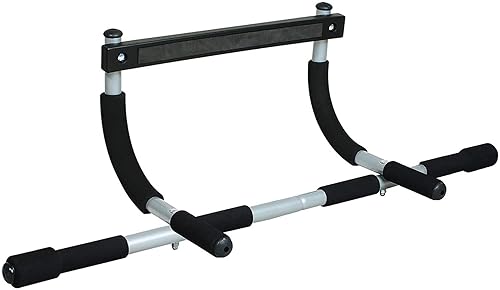
Winner: Bodyweight PPL. The main reason people search for push/pull legs bodyweight reddit threads is that they cannot access a commercial gym or do not want to. A bodyweight split needs only enough floor space to lie down and move, a sturdy pull-up bar (doorframe bars are common, though check the manufacturer’s weight rating), and parallel surfaces such as a bench, chair or stairs for dips and elevated push-ups. Resistance bands are a useful add-on for a few pulling and pressing variations.
The gym version requires access to a barbell with a squat rack and bench, plus dumbbells for accessory work. Machines and cable stations can substitute for some movements, which makes the split easier to run at a commercial facility even without free weights. For a practical walkthrough of how to set up a home version, see Bodyweight Push Pull Legs: A Step-by-Step Home Program. If you want a ready-made weekly template, Push/Pull Legs Bodyweight Workout: A 6-Day Home Plan With Sets and Reps lays out sets and reps for each day.
Progression: How You Make Each Routine Harder
Winner: Gym PPL, for most people. Progressive overload is simple with weights: if you completed 3 sets of 8 reps on the goblet squat with 35 pounds, you move to 40 pounds next time and work back into the rep range. Linear progression on barbell lifts can move quickly for early-stage lifters.
Bodyweight progression is more varied but takes more planning. You can progress by moving from knee push-ups to standard push-ups, then to decline or archer variations. You can also slow the lowering phase to a three-second eccentric, pause at the bottom, or reduce rest periods. On the pull side, progression moves from inverted rows to pull-ups, then to weighted or single-arm variations. Many lifters on Reddit report that bodyweight progress stalls once they reach the top variation of each movement, which is why a plan that includes tempo and rep targets matters more than the exercise list. Consider reviewing Push Pull Legs Split Calisthenics: A Step-by-Step Bodyweight Plan for a progression ladder you can follow.
Muscle Growth Potential: Which Builds More Size?
Winner: Gym PPL for advanced trainees; bodyweight PPL is competitive for beginners and intermediates. Muscle growth depends on training close to failure across a sufficient volume, and on getting enough protein and total calories. Early on, most people gain size from almost any hard, progressive program, including bodyweight. As training experience increases, adding external load becomes necessary to keep stimulating the same muscles, especially in the legs and back.
Bodyweight routines can still reach a high level of effort. Single-leg squat variations, Nordic curls, and deep push-up variations are demanding. But the ceiling for the lower body is lower without external load, and most intermediate lifters who try to build significant leg size eventually add weighted lunges, Bulgarian split squats with dumbbells, or a backpack. Track your reps and effort, and if the same reps feel easy for several weeks, the program needs more load or difficulty.
Strength Development: Which Improves Your Big Lifts?
Winner: Gym PPL. If your goal is a heavier bench press, squat or deadlift, the gym version wins. Those lifts depend on loading the movement with a bar you can increase in small increments. Bodyweight strength transfers well to pulling, pressing and body control, and many people develop impressive relative strength, meaning strength relative to their own body weight, but it does not directly translate to a barbell squat or deadlift number.
For readers who want a hybrid of both approaches, Upper Lower Push Pull Legs Hybrid: A Step-by-Step Guide to Building Your Split shows how to combine barbell work with bodyweight accessories.
Joint Stress and Recovery
Winner: Bodyweight PPL, slightly. Bodyweight movements can be scaled by changing the angle, the range of motion and the tempo, which makes them easier to tolerate for people with shoulder or elbow sensitivity. Heavy barbell work places more compressive load on the spine and knees, and it demands more recovery between sessions. Many gym lifters manage this fine, but if you have a history of joint problems, starting with machines or lighter bodyweight variations is a sensible choice.
If you feel persistent joint pain, stop the affected movement and consult a physical therapist or a qualified sports medicine professional before continuing.
Time Commitment and Scheduling
Winner: Tie. Both versions fit a standard PPL structure of six days per week, or a reduced three-day rotation. Bodyweight sessions tend to be shorter because there is less time spent loading plates and changing stations, though high-rep sets and tempo work can extend them. Gym sessions often include longer rest periods on heavy compound lifts, which is what makes them slightly longer overall. Whichever you choose, schedule each muscle group at least twice per week for the best balance of frequency and recovery.
Which Should You Choose?
- Choose bodyweight PPL if you train at home, travel often, have limited space, or want to build control, mobility and relative strength.
- Choose gym PPL if you want the highest strength gains on squat, bench and deadlift, or you have already plateaued on bodyweight progressions.
- Choose a hybrid if you have access to a gym but also want pull-up and dip work that does not depend on the machines available.
- Choose bodyweight PPL as a beginner who needs to learn movement patterns before adding heavy load.
- Choose gym PPL as an intermediate or advanced lifter who needs load to keep progressing.
Whichever route you take, keep a training log and review it every two to three weeks. A simple record of exercises, reps, load or variation, and how hard each set felt will show you when to advance.
Equipment Options for Each Route
For a bodyweight PPL at home, the most useful single item is a sturdy pull-up bar. Manufacturers specify weight limits and mounting requirements, so check the label before installing one in a doorframe. Consider the View on Amazon as a doorframe option, and the View on Amazon if you want to add suspension rows and push-up variations to the pulling and pressing days. Resistance bands add flexibility for band-assisted pull-ups and band-resisted push-ups, and the View on Amazon set is a common choice for this purpose.
For a gym PPL, the core items are a squat rack, a flat bench and an adjustable set of dumbbells. Many commercial facilities provide these as standard. If you train at home with a gym setup, a View on Amazon and an View on Amazon pair cover most movements.
FAQ
Can I build muscle with push/pull legs bodyweight only?
Yes, especially if you are a beginner or returning after time off. Muscle growth requires training hard, progressively, with enough total volume and protein intake. Bodyweight routines can meet those conditions for a long time, but most people eventually need added load or harder variations, such as weighted dips or single-leg movements, to keep gaining.
How many days per week should I run a bodyweight PPL?
Three to six days per week is typical. A three-day rotation (push, pull, legs, then rest) gives each muscle group about one session every five to seven days, while a six-day schedule trains each group twice per week. Start at three days and add a day only if you recover well.
Is a bodyweight PPL enough for weight loss?
It can support weight loss as part of a calorie deficit, but the training itself matters less than your overall energy balance and diet. Pair the split with regular walking or other cardio and a diet that supports your goals. If you have a medical condition or are starting an intense program, consult a physician or registered dietitian first.
What if I can’t do a single pull-up yet?
Start with inverted rows under a sturdy table or bar, negative pull-ups where you lower yourself slowly from the top, or band-assisted pull-ups. Work toward a full set of pull-ups by gradually reducing assistance. Most beginners see progress within several weeks of consistent practice.
Should I switch from bodyweight to gym PPL?
Switch when your bodyweight progressions stop producing new challenges, your reps stay high and easy for several weeks, or your strength goals require heavier loads. There is no need to switch simply because gym training sounds more serious. Many lifters use both, adding weights to bodyweight movements as they advance.
Conclusion
The push/pull legs bodyweight reddit debate usually comes down to access and goals. Bodyweight PPL is a strong, practical choice for home trainers, beginners and anyone who values control and relative strength. Gym PPL offers a clearer path to heavy compound strength and advanced muscle growth. Choose the version you can run consistently, track your progress, and adjust the difficulty as you get stronger. Consistency across months will matter far more than which side of the debate you pick.
About Emily Parker
Emily Parker is part of our editorial team and reviews and edits our workout programs & splits guides, checking product details against manufacturer specifications and owner feedback.