By Emily Parker
Updated November 2026
Push pull and legs is a training split that groups your workouts by movement pattern instead of by body part alone. By the end of this guide, you will know what goes into each of the three workouts, how to arrange them across the week, how many sets and reps to aim for, and how to add weight over time. You will also get a printable-style template you can start using right away.
What Push Pull and Legs Actually Means
The split divides exercises into three categories. Push days train muscles that move weight away from your body: chest, front and side delts, and triceps. Pull days train muscles that bring weight toward you: lats, upper back, rear delts, and biceps. Leg days cover the quads, hamstrings, glutes, calves, and often the lower back and core. If you are new to the terminology, What Does Push Pull Legs Mean? A Simple Guide to the Split breaks down the basics before you build a schedule.
Shopping for one? See our guide: 7 Best Push Pull Legs Split Posters and Training Aids for 2026.
The appeal is simple. Muscles that work together are trained together, so you can usually fit a full session of pushing, pulling, or leg work into 60 to 75 minutes without rushing. Each muscle group gets a recovery window between sessions, and the structure scales well whether you train three days a week or six.
Step 1: Choose How Many Days You Can Train
The split works in two common frequencies, and the one you pick should match your schedule and recovery rather than what looks most impressive on paper.
The 3-Day Version
Train push, pull, and legs once each, with a rest day between most sessions. This suits beginners, people with busy schedules, and anyone recovering from a lapse in training. A common pattern is Monday push, Wednesday pull, Friday legs, with weekends off. You can also use this format as a starting point before moving to six days. For a full layout built around three sessions, see Quick Push Pull Legs Routine: A Step-by-Step 3-Day Plan.
The 6-Day Version
Run the cycle twice: push, pull, legs, then push, pull, legs again, with one rest day after the sixth session or after the third. This doubles weekly frequency for each muscle group, which many intermediate lifters use to accelerate progress. A detailed example is covered in Sample Push Pull Legs Routine: A 6-Day Plan With Sets and Reps.
Step 2: Build Each Workout
Every session should start with your heaviest, most demanding compound lift while you are fresh, then move to accessory work. Use the structure below as your baseline.
Push Day
- Barbell or dumbbell bench press: 3 sets of 6 to 8 reps.
- Overhead press (barbell or dumbbell): 3 sets of 6 to 10 reps.
- Incline dumbbell press: 3 sets of 8 to 12 reps.
- Cable or dumbbell lateral raise: 3 sets of 12 to 15 reps.
- Triceps pushdown or overhead extension: 3 sets of 10 to 15 reps.
Pull Day
- Pull-up or lat pulldown: 3 sets of 6 to 10 reps.
- Barbell or chest-supported row: 3 sets of 8 to 10 reps.
- Seated cable row: 3 sets of 10 to 12 reps.
- Face pulls: 3 sets of 12 to 15 reps.
- Dumbbell or barbell curl: 3 sets of 8 to 12 reps.
Leg Day
- Back squat or hack squat: 3 sets of 5 to 8 reps.
- Romanian deadlift: 3 sets of 8 to 10 reps.
- Leg press: 3 sets of 10 to 12 reps.
- Seated or lying leg curl: 3 sets of 10 to 15 reps.
- Standing calf raise: 3 to 4 sets of 10 to 15 reps.
Step 3: Set Your Reps, Sets, and Rest
For most people, 8 to 20 total hard sets per muscle group per week produces solid results, and the split makes that easy to track. Rest 2 to 3 minutes between heavy compound lifts and 60 to 90 seconds between isolation exercises. Stop each set when you could do roughly one or two more reps with good form. Repeated failure every set tends to accumulate fatigue faster than it adds growth.
| Exercise type | Typical rep range | Rest between sets |
|---|---|---|
| Heavy compound (squat, bench, row) | 5 to 8 | 2 to 3 minutes |
| Moderate compound (RDL, overhead press) | 8 to 10 | 90 to 120 seconds |
| Isolation (curls, lateral raises) | 10 to 15 | 60 to 90 seconds |
Step 4: Apply Progressive Overload
A split only works if the weights or reps move up over time. Pick a target rep range for each exercise, such as 6 to 8. When you hit the top of the range on all sets with good form, increase the load by the smallest increment available, often 2.5 to 5 pounds for upper-body lifts and 5 to 10 pounds for lower-body lifts. Drop back to the bottom of the range and build again. Log your sessions so you are not guessing.
Step 5: Plan Recovery and Nutrition
Each session creates fatigue, and recovery depends on sleep, daily protein, and total calories. Many people aim for roughly 0.7 to 1 gram of protein per pound of target body weight, spread across meals, though individual needs vary. If you are adjusting food alongside training, Push/Pull Legs vs Full Body (2026): Which Is Better for Your Goals? compares how different frequencies affect recovery demands. Anyone with a medical condition or who is starting a new exercise program should check with a doctor or qualified professional first.
Common Mistakes to Avoid
- Skipping the leg day. Leg work is often the first session dropped, which leaves a noticeable imbalance over months.
- Treating push as chest only. Shoulders and triceps take a lot of load on pushing days, so balance them with pull work.
- Too little pulling. Most lifters do more pressing than rowing or pulling. Match the volume so posture and shoulder health stay strong.
- Changing exercises every week. Keep the same core lifts for at least 6 to 8 weeks so you can measure progress.
- Ignoring warm-ups. Spend 5 to 10 minutes on light sets and mobility before your first heavy lift.
- Training to failure on every set. Leave one to two reps in reserve on most work to recover and keep your form sharp.
Tips for Success
- Track your workouts in a notebook or app so you can see weight and rep trends.
- If a session falls on a bad day, cut one accessory set rather than skipping the entire workout.
- Rotate accessories every 6 to 8 weeks, but keep main lifts stable longer.
- Deload with about half the usual sets for one week every 6 to 8 weeks if fatigue builds up.
Recommended Gear
A few basic tools make push, pull, and leg days more productive, especially when you are working toward heavier loads.
- Adjustable dumbbells: Useful for incline presses, lateral raises, and curls without filling a rack with pairs. View on Amazon
- Lifting straps: Help you hold onto heavy pulls and rows when grip becomes the limiting factor. View on Amazon
- Lifting belt: Provides bracing support on heavy squats and deadlifts for many lifters. View on Amazon
- Resistance bands: Good for warm-ups, face pulls at home, and assisting pull-up practice. For options, see Top 7 Push-Pull Legs Resistance Bands for Home Workouts. View on Amazon
FAQ
Is legs push or pull?
Legs are neither push nor pull in the strict sense. They form the third category of the split and cover the lower body, including the quads, hamstrings, glutes, and calves.
Can I do push, legs, pull instead of push, pull, legs?
Yes. The order is flexible. Many lifters put legs first in the week because they feel most recovered, while others start with pull to protect the shoulders. Choose the order that lets you hit your heaviest session when you feel freshest.
Can I do push legs/pull in one session?
You can combine the sessions in different ways, such as a push day followed by a short leg day, but doing all three in one workout usually makes each session too long and fatiguing. Splitting them across days is the more effective approach for most people.
Is push pull legs better than upper lower?
Neither is universally better. Push pull legs groups by movement pattern and lets you train each muscle group twice a week at six days, while upper/lower trains the upper body and lower body on alternating days. Your schedule and recovery determine which fits best. A side-by-side comparison appears in Upper Lower vs Push Pull Legs (2026): Which Is Better for Your Training?.
Can beginners follow a push pull legs split?
Yes, though beginners often do better starting with the 3-day version and lighter volume. Focus on learning technique for the main lifts before adding more sets.
How long should each push, pull, or leg session take?
Most sessions run 60 to 75 minutes including warm-up. If yours run much longer, reduce accessory sets or rest time rather than adding more exercises.
What if I miss a session?
Do not try to make it up by doubling up the next day. Continue the cycle from where you left off, and keep your rest days intact to avoid excess fatigue.
Do I need a gym to do push pull legs?
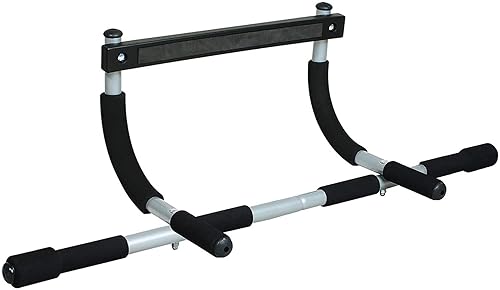
A gym gives you the most options, but you can run the split at home with adjustable dumbbells, resistance bands, and a pull-up bar. Adapt exercises to the equipment you have, and keep the same movement patterns.
Conclusion
Push pull and legs is a flexible, well-organized split that trains each movement pattern with enough frequency to build strength and size. Start with the three-day version or the six-day cycle, choose exercises that match your equipment, and track your loads so you can apply progressive overload. Give the plan at least six to eight weeks before judging it, and adjust volume based on how well you recover.
Ready to choose one?
About Emily Parker
Emily Parker is part of our editorial team and reviews and edits our workout programs & splits guides, checking product details against manufacturer specifications and owner feedback.