By Emily Parker
Updated November 2026
If you are trying to decide what’s better, push pull legs or bro split, the short answer is this: push pull legs usually wins for lifters who can train five or six days a week and want high weekly volume per muscle group, while a bro split is a better fit for someone who trains three to four days, wants simple one-muscle-per-day sessions, or prefers a heavy focus on one body part at a time. Both splits can build serious muscle. The right choice depends on your schedule, recovery and how much time you can give each session.
| Criterion | Push Pull Legs (PPL) | Bro Split |
|---|---|---|
| Typical training days per week | 3 to 6 (often 6 as two full cycles) | 4 to 6 (one body part per day) |
| Muscle groups per session | 2 to 3 related groups (for example, chest, shoulders, triceps) | 1 main group, plus small add-ons |
| Weekly frequency per muscle | About 2 times per week when run as 6 days | Usually 1 time per week |
| Weekly sets per muscle (typical) | Often 12 to 20 when programmed well | Often 10 to 20 in a single session |
| Session length | About 50 to 75 minutes | About 45 to 70 minutes |
| Recovery demand per session | Moderate to high | High for the targeted muscle |
| Best for | Intermediate lifters, muscle growth, scheduling flexibility | Beginners to intermediates who like focus and simplicity |
Training Frequency: Which Split Hits Muscles More Often?
Frequency is where push pull legs has a clear edge. In a six-day PPL rotation, each muscle group is trained about twice per week. Most lifters can recover from that pattern when sets are reasonable and sleep is adequate. A bro split usually trains each muscle once per week, with that single session carrying all the work for the week.
Once a week is not wrong. Many people have built impressive physiques that way. But when researchers and coaches compare training frequency at similar total volumes, spreading work across more sessions tends to produce more consistent stimulus. For most intermediate lifters, push pull legs wins on frequency.
If you only want three training days, a full PPL cycle is not realistic. In that case, a three-day PPL or a modified bro split may be the practical choice, and the frequency gap narrows.
Volume and Set Distribution: Which Split Does More Work Per Muscle?
Weekly volume matters more than the split name. A common range for hypertrophy work is roughly 10 to 20 hard sets per muscle group per week, depending on experience and recovery. Both splits can reach that range, but they get there differently.
In a bro split, you can stack 12 to 20 sets for chest in one session. That is a lot of work in one day, and performance often drops toward the end. In PPL, you might do 6 to 10 chest sets on push day and another 6 to 10 on a second push day, which is easier to recover from and often easier to sustain.
Winner for volume distribution: push pull legs. It spreads hard sets more evenly, which makes it easier to hit high weekly totals without overloading one session.
Recovery and Fatigue: Which Split Is Easier to Recover From?
A bro split can be easier to recover from in one sense: each session targets one muscle group, so the rest of the body has time to rest. You might train chest on Monday and not touch it again until next Monday. For lifters who sleep poorly or eat less than they should, that single-focus structure can feel more manageable.
PPL asks more from recovery overall because you train most muscles twice a week. Your legs, for example, get worked on leg day and may be sore from that session when you return to them later in the week. Still, the sessions are usually lower in total fatigue per day, and many people find they can perform better across the week.
Winner for recovery: it depends on your situation. Choose a bro split if your recovery is limited and you need one heavy day per muscle. Choose PPL if you recover well and can handle regular exposure. If you have joint issues, persistent soreness or unusual fatigue, consult a qualified healthcare provider or a certified coach before increasing training load.
Muscle Growth Potential: Which Split Builds More Size?
Both splits can build muscle when total volume, effort and progression are adequate. Muscle growth is driven mostly by how many quality sets you complete, how close those sets come to failure, and whether you progress the load over time. The split is a delivery system.
That said, PPL usually has the edge for intermediate lifters because of the frequency advantage described above. Training each muscle twice a week tends to make it easier to accumulate quality volume without grinding through one brutal session. A bro split can work very well for lifters who have more experience and who respond well to high-volume single-day workouts.
Winner for growth potential: push pull legs, with the caveat that a well-run bro split will outperform a poorly run PPL.
Flexibility, Simplicity and Scheduling
Bro splits are easy to remember. Monday is chest, Tuesday is back, Wednesday is legs, and so on. Each day has one clear identity, which helps people who like structure without much thought. Missing a day also has a limited impact because the next muscle group is still scheduled.
PPL is also simple once learned, but the rotation takes more planning if you train six days. Missing a day can shift the cycle, and you may need to decide whether to repeat a session or skip it. If you train three days, PPL is clean and easy to follow. If you train four days, you may need an upper/lower or hybrid arrangement instead.
Winner for simplicity: bro split, especially for beginners who want one target per day. Winner for schedule flexibility across a three-day week: push pull legs.
Exercise Selection and Session Structure
In a typical PPL day, you combine compound movements with accessories. Push day might include a barbell or dumbbell press, an incline variation, lateral raises and triceps work. Pull day might include rows, pulldowns or pull-ups, rear delt work and biceps. Leg day covers squats or leg presses, hinges, leg curls and calf work.
A bro split tends to give one body part deeper coverage. Chest day might include flat bench, incline press, cable flyes and dips. Back day might include deadlifts or rows, pulldowns, and face pulls. This structure allows more exercise variety per muscle in one session, which some lifters enjoy.
Winner for exercise variety per muscle in one session: bro split. Winner for balanced movement patterns across the week: push pull legs, because it pairs antagonist and related muscles intentionally.
Sample Structures for Each Option
Push Pull Legs (6-day rotation):
- Day 1: Push A (bench press, incline dumbbell press, lateral raises, triceps pushdowns)
- Day 2: Pull A (deadlift or rows, pulldowns, face pulls, dumbbell curls)
- Day 3: Legs A (back squat, Romanian deadlift, leg press, calf raises)
- Day 4: Push B (overhead press, dips, cable flyes, overhead triceps extension)
- Day 5: Pull B (chest-supported row, pull-ups, rear delt flyes, hammer curls)
- Day 6: Legs B (front squat or hack squat, leg curl, walking lunges, seated calf raises)
Bro Split (5-day):
- Day 1: Chest (flat bench, incline press, cable flyes, dips)
- Day 2: Back (rows, pulldowns, straight-arm pulldowns, shrugs)
- Day 3: Legs (squats, leg press, leg curls, calves)
- Day 4: Shoulders (overhead press, lateral raises, rear delt work)
- Day 5: Arms (biceps and triceps supersets)
Progression Tips for Either Split
Whichever split you choose, progress in a measurable way. A simple method is double progression: pick a rep range such as 8 to 12, and when you hit the top of that range on all sets with good form, increase the load slightly the next session. Track your sets, reps and loads in a notebook or app. Aim for one to three reps in reserve on most working sets, and push closer to failure only on the last set of selected exercises.
Deload every four to eight weeks, or when performance drops for two consecutive sessions, to reduce fatigue. Sleep seven to nine hours where possible and eat enough protein, roughly 0.7 to 1 gram per pound of body weight for many lifters, adjusted to your needs and medical history.
Which Should You Choose?
- Choose push pull legs if you can train five or six days a week and want each muscle hit twice weekly.
- Choose push pull legs if you are an intermediate lifter who wants high weekly volume without huge single-session workloads.
- Choose push pull legs if you prefer a balanced rotation that pairs related muscles and movement patterns.
- Choose a bro split if you train three to four days and want one clear muscle focus per session.
- Choose a bro split if you are a beginner who wants simple, memorable workouts.
- Choose a bro split if you enjoy high-volume, single-day sessions and recover well from them.
- Choose a bro split if a specific lagging muscle needs extra attention and you can devote a full session to it.
Equipment That Supports Either Split
Both splits benefit from a stable setup and a few core tools. For barbell work, a standard Olympic barbell paired with weight plates is the foundation. Adjustable benches help with incline and flat pressing. A squat rack with safety pins keeps heavy leg work manageable. For accessory and cable work, many lifters use a cable machine or a resistance band set.
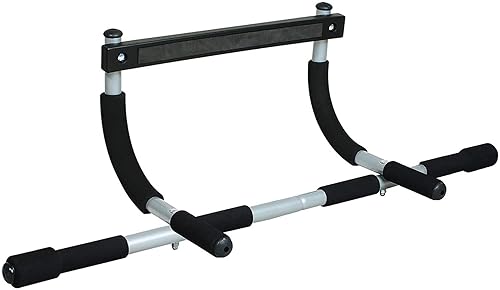
For a bro split, a sturdy bench and dumbbell range cover most single-muscle sessions. For PPL, you may want a pull-up bar and a second set of dumbbells so you can rotate movements without waiting.
Before adding new equipment, check that your space, budget and training goals justify it. Also, if you have an existing injury, get advice from a qualified professional before starting a heavy program.
FAQ
Is push pull legs better than a bro split for beginners?
For most true beginners, a simpler full-body or upper/lower program often works better than either split. Between the two, a bro split can be easier at first because each day has one clear target. Once you have a few months of consistent training behind you, PPL becomes a practical option if your schedule allows it.
Can I build muscle with a bro split?
Yes. Many lifters build significant muscle on a bro split when they train each muscle group with enough weekly volume, progress their loads, and eat enough protein to support recovery. The main limitation is that each muscle is usually trained only once per week, so you need to make that session count.
How many days a week do I need for push pull legs?
Three days is the minimum for a basic PPL, with each muscle trained about once per week. Six days gives you the full benefit of twice-weekly frequency. Four days can work as a hybrid, such as push, pull, legs, then a full upper or full-body day.
Do I need to train chest twice a week on push pull legs?
In a six-day PPL, chest appears on two push days, so it is trained about twice weekly. You do not need to do exactly this to make progress, but spreading chest work across two sessions often makes high volume easier to handle.
Should I switch from a bro split to push pull legs?
Switch if you have the schedule and want more frequency, or if you find that single-day sessions leave you too sore to train well the next time. Keep a training log for four to six weeks before and after the change so you can judge whether your strength and muscle gains improved. If you have health concerns, consult a qualified professional before making major changes.
Conclusion
So, what’s better, push pull legs or bro split? For most intermediate lifters who can train five or six days a week, push pull legs is the stronger choice because it trains each muscle twice a week and spreads volume more evenly. A bro split remains a strong option for three- to four-day schedules, for lifters who like one focused session per muscle, and for anyone who wants simplicity. Pick the structure you can execute consistently, track your progress, and adjust volume and recovery as you go.
Related reading
- What's a Good Push Pull Legs Split? 7 Best Programs Compared (2026)
- Push Pull Legs vs Bro Split (2026): Which Is Better for Building Muscle?
- Is Push Pull Legs Better Than Bro Split? (2026): Which Should You Choose?
- Women's Push Pull Legs 3-Day Split: A Step-by-Step Plan for Strength and Shape
About Emily Parker
Emily Parker is part of our editorial team and reviews and edits our workout programs & splits guides, checking product details against manufacturer specifications and owner feedback.