By Emily Parker
Updated November 2026
A push/pull legs 3 day split groups your training by movement pattern instead of by body part, so each session trains a complete set of muscles that work together. By the end of this guide, you will know which exercises belong on each day, how many sets and reps to program, how to progress the weights over time, and how to fit the whole plan into a standard week. The structure works well for intermediate lifters, and beginners can use it too with lighter loads and fewer sets.
What the Push/Pull/Legs Split Actually Is
The push/pull/legs split assigns each training day to one movement category. Push days train muscles that press or extend: chest, front and side delts, and triceps. Pull days train muscles that row or flex: back, rear delts, biceps, and forearms. Leg days train the quads, hamstrings, glutes, calves, and usually the lower back and core. Because the muscles on each day share a job, you can stack more volume without leaving any single muscle undertrained.
Shopping for one? See our guide: Push Pull Legs Workout Split 6 Days: 3 Best Programs Compared (2026).
In a 3 day version, each category is trained once per week. That is a lighter schedule than the common 6-day version, where each group gets two sessions. Once a week per muscle is enough for many people, especially when the sessions are long and focused. If you want a deeper comparison of frequencies, see Push Pull Legs Explained: How the 3-Day Split Works and Who It Suits, which breaks down who benefits most from this setup.
Who the 3 Day Push Pull Legs Split Suits
This split fits people who can train three days a week, want more recovery between sessions than a 6-day plan allows, and want a clear structure that is easy to track. It also suits lifters who have a history of overtraining or who are returning after time off. Anyone with a busy schedule and only three reliable training windows will find the format practical. Push/Pull/Legs Explained goes further into this.
If you train three days but prefer to hit each muscle more often, a full body approach might serve you better. A useful comparison is Push Pull Legs 3 Days a Week vs Full Body 3-Day Split: Which Is Better?, which weighs both options side by side. For women specifically, Women's Push Pull Legs 3-Day Split: A Step-by-Step Plan for Strength and Shape offers exercise choices and set counts tailored to that audience.
Setting Up Your Weekly Schedule
Three training days need spacing so that each session gets adequate recovery. The most common arrangements are Monday, Wednesday, Friday or Monday, Wednesday, Friday with a rest day between each. Here is a simple layout:
- Day 1 – Push: Monday
- Day 2 – Pull: Wednesday
- Day 3 – Legs: Friday
- Weekend: Rest or light activity such as walking
If your schedule forces back-to-back days, put legs on the day with the most sleep and food available. Leg sessions are the most taxing, so they benefit from a rested body. Avoid placing legs immediately before a heavy pull session if you can, since deadlifts and rows both rely on hip and back strength.
Day 1: Push Workout
The push day targets the chest, shoulders, and triceps. Start with the heaviest compound lift and move toward isolation work.
| Exercise | Sets | Reps | Notes |
|---|---|---|---|
| Barbell bench press | 4 | 5–8 | Main lift, rest 2–3 minutes |
| Incline dumbbell press | 3 | 8–10 | 30-degree bench angle |
| Seated dumbbell overhead press | 3 | 8–10 | Keep core braced |
| Cable lateral raise | 3 | 12–15 | Control the eccentric |
| Rope triceps pushdown | 3 | 10–12 | Full lockout at the bottom |
| Overhead triceps extension | 2 | 12–15 | Stretch under load |
Day 2: Pull Workout
The pull day trains the back, rear delts, and biceps. Heavy rows and pulldowns come first, followed by accessory work.
| Exercise | Sets | Reps | Notes |
|---|---|---|---|
| Conventional deadlift | 3 | 4–6 | Keep the bar close to the shins |
| Pull-up or lat pulldown | 4 | 6–10 | Add weight when reps exceed 10 |
| Chest-supported row | 3 | 8–10 | Squeeze shoulder blades together |
| Face pull | 3 | 12–15 | Pull toward the forehead |
| Incline dumbbell curl | 3 | 10–12 | Let the arms hang fully |
| Hammer curl | 2 | 10–12 | Targets the brachialis |
Day 3: Legs Workout
The leg day covers quads, hamstrings, glutes, and calves. Squat variations lead, with hinge movements and isolation work following.
| Exercise | Sets | Reps | Notes |
|---|---|---|---|
| Back squat | 4 | 5–8 | Depth to at least parallel |
| Romanian deadlift | 3 | 8–10 | Feel the hamstring stretch |
| Leg press | 3 | 10–12 | Feet placed mid-platform |
| Walking lunge | 2 | 10 per leg | Short, controlled steps |
| Seated leg curl | 3 | 10–12 | Pause at full contraction |
| Standing calf raise | 4 | 10–15 | Full stretch and pause |
How to Progress the Plan Over Time
A program only works if the loads go up. Use a double progression model: pick a rep range for each exercise, such as 8 to 10 reps. When you complete all sets at the top of the range with good form, increase the weight by the smallest jump available and drop back to the bottom of the range. For dumbbells, that often means 5-pound increments. For barbell lifts, 5 pounds is common for upper body and 10 pounds for lower body.
Track every session. A notebook or training app is enough. Compare each workout to the same day the previous week. If you stall on a lift for three or more consecutive sessions, try one of these adjustments:
- Reduce the weight by 5 to 10 percent and rebuild the reps.
- Add one set to the exercise for a week.
- Check your rest periods and sleep before changing the program.
Once you can complete the top of each rep range on every exercise, you can add a fourth set to compound lifts or move to a heavier load with fewer reps.
Warm-Up and Recovery Checklist
Each session should begin with a short, specific warm-up. Use this checklist before every workout:
- Five minutes of light cardio, such as a bike or rower.
- Two to three ramp-up sets of the first exercise, with reps dropping as the weight rises.
- Mobility work for the target area: band pull-aparts before pulls, hip openers before legs.
- A quick check of equipment: safety pins set on squat racks, collars tightened, bench positioned correctly.
After training, aim for seven to nine hours of sleep per night. Protein intake of roughly 0.7 to 1 gram per pound of body weight supports muscle repair for most lifters, though individual needs vary. If you have an existing injury or medical condition, consult a doctor or physical therapist before starting a new program.
Common Mistakes to Avoid
- Skipping the pull day’s back work. Pull days often become bicep sessions. Keep rows and pulldowns as the priority.
- Adding too much volume too quickly. Three sessions per week with 15 or more hard sets per muscle can be too much for some lifters. Start lower and build up.
- Chasing ego weight on leg day. Squats and deadlifts should stay within a controlled range. Poor depth or rounded backs are a sign to drop the load.
- Ignoring rest periods. Heavy compounds need two to three minutes. Cutting rest short reduces the quality of later sets.
- Never deloading. After four to six weeks of hard training, reduce volume by about half for one week to let joints and tendons recover.
Tips for Getting the Most From the Split
- Keep at least one day of rest between sessions where possible.
- Rotate accessory exercises every six to eight weeks while keeping the main lifts constant.
- Match your nutrition to your goal: a modest calorie surplus for muscle gain, a moderate deficit for fat loss, and maintenance calories for strength.
- Film your heavy sets from the side to check depth, bar path, and back position.
Recommended gear
A few inexpensive tools make this plan easier to run consistently. Choose gear that matches your training location and budget.
- Lifting straps help you keep grip from limiting your deadlifts and rows on pull day. Look for a padded strap with a loop design. View on Amazon
- Resistance bands work well for warm-ups, face pulls on a home setup, and band pull-aparts. A set with multiple resistance levels gives the most flexibility. View on Amazon
- A weightlifting belt can support heavy squats and deadlifts when your sets move into the low-rep, high-load range. View on Amazon
- A training journal keeps your loads and reps organized so progression stays on track. View on Amazon
FAQ
Is a 3 day push pull legs split good for beginners?
It can be, but beginners should start with lighter weights, fewer sets, and more focus on technique. Many new lifters do better with a full body routine first and move to a push/pull/legs format after several months of consistent training.
How many sets per muscle group should I do per week?
A common range for intermediate lifters is roughly 10 to 15 hard sets per muscle group per week. In a 3-day split, that means distributing those sets across one session per week, so each session needs enough volume to reach that total.
Can I train push, pull, and legs on consecutive days?
You can, but scheduling them with a rest day between each session usually leads to better recovery and performance. If you must train on consecutive days, put the least demanding session between the other two.
Should I train abs on every session?
Core work can be added to any day. Many lifters place a few sets of abdominal exercises at the end of leg day or pull day. Because the core is already trained during squats and deadlifts, extra direct work is optional.
What if I miss a session during the week?
Do not try to cram two sessions into one day. Resume the normal schedule the next training day, and keep the weights you planned unless you have missed more than a week, in which case reduce loads by about 10 percent.
How long should I follow this plan before changing it?
Most lifters run a program for six to twelve weeks, track progress, then adjust exercises, rep ranges, or volume. Changing the program too often makes it hard to see whether your strength is improving.
Do I need a gym to run this split?
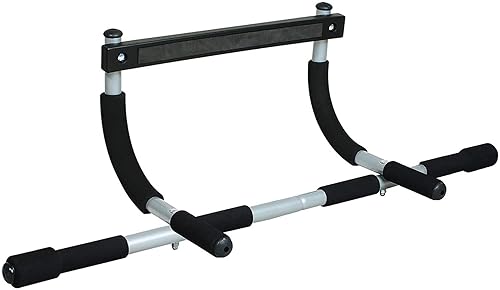
A fully equipped gym makes the exercise selection easiest, but you can adapt the plan at home with adjustable dumbbells, a pull-up bar, resistance bands, and a sturdy bench. Substitute goblet squats for back squats and dumbbell rows for barbell rows when equipment is limited.
Conclusion
The push/pull legs 3 day split gives you a clear weekly structure with each session built around a movement pattern. Follow the sample workouts, track your loads, and progress using a double progression approach. Keep recovery and sleep in the plan alongside training, and adjust volume if your joints or energy start to suffer.
Related reading
- Push/Pull Legs Shoulders Split: A Step-by-Step 6-Day Plan
- Push/Pull Legs Full Body 4 Day Split: A Step-by-Step Plan
Ready to choose one?
About Emily Parker
Emily Parker is part of our editorial team and reviews and edits our workout programs & splits guides, checking product details against manufacturer specifications and owner feedback.