By Emily Parker
Updated November 2026
Reddit push pull legs threads are full of lifters asking the same questions: how many days a week to run it, how many sets per muscle, and whether the split actually works for beginners. This guide answers those questions in order. By the end, you will know how to build a push/pull/legs week, pick sets and reps, progress your weights over time, and avoid the errors that show up again and again in community discussions.
What Push Pull Legs Means and Why Lifters Discuss It So Much
Push pull legs, often shortened to PPL, is a training split that groups exercises by movement pattern instead of by body region. Push days cover chest, shoulders and triceps. Pull days cover back, rear delts and biceps. Leg days cover quads, hamstrings, glutes and calves. Each muscle group gets trained once or twice a week depending on how many days you train.
The reason it dominates discussion is simple: it is flexible. You can run it three days a week for a short, efficient program, or six days for higher frequency. Lifters on Reddit tend to debate whether it is better than full body or upper/lower, and the honest answer is that it depends on your schedule and recovery. For a direct comparison of structures, see Full Body vs Push/Pull Legs Reddit (2026): Which Should You Choose? and Upper/Lower vs Push Pull Legs Reddit: Which Split Should You Choose?.
Step 1: Choose How Many Days You Can Actually Train
Before you pick exercises, decide your training frequency. PPL is usually run in one of three ways.
- Three days (PPL once): Push, pull, legs, then rest. Each muscle is hit once per week. Good for beginners or people with limited time.
- Four days (PPL plus one repeat): Push, pull, legs, rest, then push and pull again, or a upper-focused day. Each muscle is hit about 1.5 times per week.
- Six days (PPL twice): Push, pull, legs, repeat, then one rest day. Each muscle is hit twice per week. Best for experienced lifters who recover well.
Most people on Reddit who report steady progress with PPL run it at three or six days. If you are new, start with three. You can always add a day later.
Step 2: Build Your Push Day
A balanced push day includes one compound pressing movement, one incline or overhead variation, and two or three isolation exercises for triceps and side delts.
- Barbell bench press or dumbbell bench press: 3 to 4 sets of 6 to 10 reps.
- Incline dumbbell press: 3 sets of 8 to 12 reps.
- Seated dumbbell or barbell overhead press: 3 sets of 6 to 10 reps.
- Cable or dumbbell lateral raise: 3 sets of 12 to 15 reps.
- Triceps pushdown or overhead extension: 3 sets of 10 to 15 reps.
Stop each set 1 to 3 reps short of failure. That range, often called reps in reserve, keeps fatigue manageable while still driving growth.
Step 3: Build Your Pull Day
Pull days should balance vertical and horizontal pulling, and include some direct biceps work. Many Reddit lifters report that adding extra rear delt work prevents shoulder discomfort on pressing days.
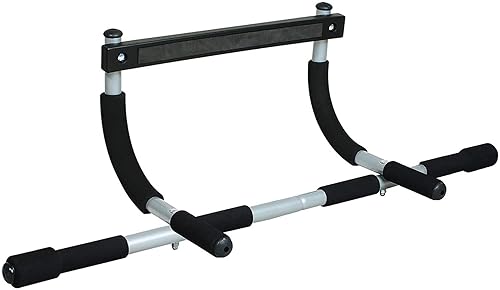
- Pull-up or lat pulldown: 3 to 4 sets of 6 to 10 reps.
- Barbell or chest-supported row: 3 to 4 sets of 8 to 10 reps.
- Single-arm dumbbell row or seated cable row: 3 sets of 10 to 12 reps per side.
- Face pull or rear delt fly: 3 sets of 12 to 15 reps.
- Incline dumbbell curl or barbell curl: 3 sets of 8 to 12 reps.
Step 4: Build Your Leg Day
Leg day is where many PPL programs fall apart, because it is demanding and easy to skip. Include one squat variation, one hip hinge, one unilateral movement, and calves.
- Back squat, front squat or hack squat: 3 to 4 sets of 6 to 10 reps.
- Romanian deadlift: 3 sets of 8 to 10 reps.
- Leg press or Bulgarian split squat: 3 sets of 10 to 12 reps.
- Seated or lying leg curl: 3 sets of 10 to 15 reps.
- Standing or seated calf raise: 3 to 4 sets of 10 to 15 reps.
Step 5: Set Weekly Volume and Progression
A common starting range is 10 to 20 hard sets per muscle group per week, spread across your training days. Beginners usually do best near the lower end, and more advanced lifters can work toward the top. The table below gives a rough guide.
| Training level | Sets per muscle per week | Typical rep range | Rest between sets |
|---|---|---|---|
| Beginner (0 to 1 year) | 8 to 12 | 6 to 15 | 1.5 to 2 minutes |
| Intermediate (1 to 3 years) | 10 to 16 | 5 to 12 | 2 to 3 minutes |
| Advanced (3+ years) | 14 to 20 | 4 to 10 on compounds | 2 to 4 minutes |
Progress using double progression. Pick a weight, and when you can complete every set at the top of the rep range with good form, increase the load by the smallest increment available, often 2.5 to 5 pounds for upper body and 5 to 10 pounds for lower body. Then start again at the bottom of the range.
A Simple Progression Checklist
- Log every set: weight, reps and how hard it felt.
- Track one main lift per day and aim to beat last week’s total reps or weight.
- If you stall for three sessions in a row, reduce volume slightly or take a deload week.
- Sleep at least seven hours and eat enough protein, roughly 0.7 to 1 gram per pound of body weight, to support recovery.
Step 6: Run a Deload Every 4 to 8 Weeks
Fatigue builds up in any split. A deload, where you cut sets roughly in half or drop the load by about 40 percent for one week, lets you recover and often leads to a strength rebound. Many lifters schedule one every six to eight weeks. If you notice persistent joint pain, poor sleep or declining performance, take one sooner.
Common Mistakes Lifters Mention Most Often
- Too much volume too soon. Beginners who copy six-day routines from advanced lifters often burn out in three weeks.
- Skipping leg day. Upper body work feels more rewarding, but neglected legs cause imbalances and weaker main lifts.
- No clear progression. Changing exercises every session makes it impossible to tell whether you are getting stronger.
- Ignoring rear delts and upper back. Heavy pressing without enough pulling is a frequent cause of shoulder complaints.
- Training to failure every set. Stopping one to three reps short usually gives better volume and fewer injuries.
Tips for Making PPL Work Long Term
- Keep your core lifts consistent for at least 6 to 8 weeks before swapping them.
- Warm up each session with two or three lighter sets of your first exercise.
- If you miss a day, shift the rotation rather than doubling up.
- Track your bodyweight weekly. A gain of about 0.25 to 0.5 percent of body weight per week is a common target for lean gains.
Recommended gear
A few inexpensive items make PPL sessions smoother, especially if you train at home or want to add variety to pulling and pushing work.
- Adjustable dumbbells: They let you progress in small increments on accessory work like lateral raises and curls without needing a full rack. View on Amazon
- Resistance bands: Useful for face pulls, band pull-aparts and warm-ups before pressing days. View on Amazon
- Lifting straps: Help you keep grip from limiting heavy rows and pulldowns on pull day. View on Amazon
- Lifting belt: Many lifters use one for heavy squats and deadlifts on leg day, though it is not required for beginners. View on Amazon
If you are short on space or equipment, see Dumbbell Only Push Pull Legs Reddit: A Step-by-Step Guide to Building Your Split for a version that uses only dumbbells.
Choosing a Ready-Made PPL Program
If building your own feels like too much, many lifters start with a published program. Reddit threads often recommend structured PPL plans for beginners, intermediates and women. You can compare options in What's a Good Push Pull Legs Split? 7 Best Programs Compared (2026) and Push Pull Legs Women Reddit: A Step-by-Step Guide to Starting the Split. Whichever you choose, follow it consistently for at least eight weeks before judging it.
FAQ
Is push pull legs good for beginners on Reddit?
Yes, especially the three-day version. Lifters often recommend starting with fewer sets and focusing on learning technique for compound lifts before increasing volume.
How many days a week should I do push pull legs?
Three days gives each muscle one weekly session, while six days gives two. Four days is a common middle ground. Choose the number you can recover from consistently.
Should I do push pull legs or upper lower?
Both work well. PPL groups movements by pattern and often suits people with more training days, while upper/lower suits those training four days. See the comparison articles linked above for details.
How many sets per muscle group in PPL?
A common range is 10 to 20 hard sets per muscle per week, with beginners toward the lower end. Adjust based on recovery and progress.
Can I build muscle with push pull legs?
Yes, provided you progressively overload your lifts, eat enough protein and sleep well. The split itself is less important than consistent effort.
What if I miss a training day?
Keep the order of the rotation rather than doubling up sessions. Missing one day occasionally will not undo progress.
Do I need to see a professional before starting?
If you have a heart condition, joint injury, high blood pressure or other health concerns, consult a doctor or qualified professional before starting any new training program.
Conclusion
Push pull legs is a flexible structure that works at three, four or six days a week. Build each day around one main compound lift and a few targeted accessories, keep your weekly volume in a sensible range, and progress with double progression. Track your sessions, deload when needed, and give any program at least two months before deciding whether it works for you.
Ready to choose one?
About Emily Parker
Emily Parker is part of our editorial team and reviews and edits our workout programs & splits guides, checking product details against manufacturer specifications and owner feedback.