 By Emily Parker
Updated November 2026
Choosing the best push pull legs routine bodybuilding plan can feel harder than it should. Most programs promise size and strength, but they differ in exercise selection, weekly frequency, volume and how they handle progression. This guide compares five well-regarded options based on the criteria that matter most for a bodybuilder running a push/pull/legs split: how clearly the program is structured, how much volume it prescribes, whether it teaches progression, and how well it suits intermediate versus beginner lifters. Everything here is based on program design, publisher reputation and patterns owners commonly report, not on personal testing.
Our top picks at a glance
- 1
 TOP CHOICEBest overallJim's Weight Training & Bodybuilding Workout PlanView on Amazon
- 2
 TOP CHOICEBest for structured progression12 Week Powerbuilding ProgramView on Amazon
- 3
 TOP CHOICEBest for a visual referenceWorkout Poster for Home Gym 40×30 Strength Training Exercise ChartView on Amazon
- 4
 Best classic referenceJoe Weider's Ultimate BodybuildingView on Amazon
- 5
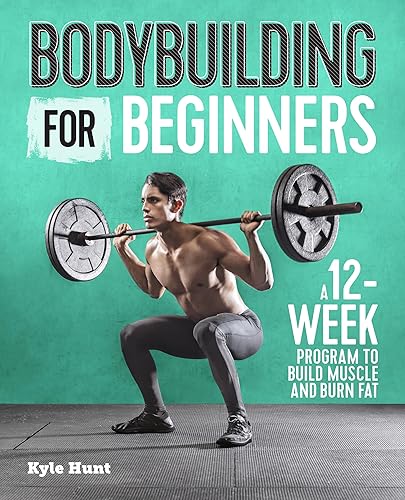 Best for beginnersBodybuilding For Beginners: A 12-Week Program to Build Muscle and Burn FatView on Amazon
Our Top Picks
Quick Comparison
| Product | Best for | Key feature |
|---|---|---|
| Jim’s Weight Training & Bodybuilding Workout Plan | Year-long progressive training | Full-year progression structure |
| 12 Week Powerbuilding Program | Strength and size together | Blends bodybuilding and powerlifting work |
| Workout Poster for Home Gym 40×30 | Quick exercise reference | Muscle anatomy and routine chart |
| Joe Weider’s Ultimate Bodybuilding | Learning classic bodybuilding principles | Foundational training theory |
| Bodybuilding For Beginners | New lifters building a base | Twelve-week beginner progression |
Jim’s Weight Training & Bodybuilding Workout Plan
Jim's Weight Training & Bodybuilding Workout Plan: Build muscle and strength, burn fat & tone up with a full year of progressive weight training … (Weight training & resistance workouts)
Best for: Year-long progressive weight training with a clear plan for building muscle and strength
This is a good fit for lifters who want a long-horizon program rather than a short block. It suits intermediate trainees who already know the basic lifts and want a structured calendar to follow across many months, with the progression built in rather than left to guesswork. We also found 7 Best Ergonomic Office Chairs with Leg Rest Picks for Every Need (2026) useful on this point.
Key specs
- Format: full-year progressive weight training plan
- Stated goals: muscle building, strength, fat loss and toning
Pros
- Long progression timeline keeps training periodized over months
- Covers muscle building, strength and body composition goals together
- Easy to follow once you commit to the calendar
Cons
- Less flexible if you want to swap in your own exercise selection
- Can feel dense for absolute beginners who need more form guidance
Bottom line: A strong pick for lifters who want a full year of planned progression and don’t mind following a set calendar.
12 Week Powerbuilding Program
12 Week Powerbuilding Program: Combining Bodybuilding and Powerlifting to get the best of both worlds
Best for: Combining strength and muscle size in a single structured block
Powerbuilding blends heavy compound work from powerlifting with the higher-volume hypertrophy training of bodybuilding. This program suits lifters who want both a bigger total and noticeably more strength, and who are comfortable managing heavier sets alongside accessory volume.
Key specs
- Duration: 12 weeks
- Training approach: bodybuilding and powerlifting combined
Pros
- Clear 12-week block with defined phases
- Balances heavy compound lifts with hypertrophy volume
- Good progression logic for lifters chasing both size and strength
Cons
- Heavier loading demands good recovery and sleep
- Less suited to lifters who want pure bodybuilding isolation work
Bottom line: The best choice if you want strength gains and muscle growth at the same time within a defined 12-week window.
Workout Poster for Home Gym 40×30 Strength Training Exercise Chart
Workout Poster for Home Gym 40×30 Strength Training Exercise Chart with Muscle Anatomy, Workout Routine & Bodybuilding Guide, Full Body Fitness Training Chart for Garage Gym, Weight Lifting Wall Decor
Best for: A visual exercise and routine reference posted in the training space
This is a reference chart rather than a full program. It works well for lifters who already know their split and want quick access to exercise names, muscle anatomy and a routine layout while they train, especially in a garage or home gym.
Key specs
- Size: 40 x 30 inches
- Content: strength exercises, muscle anatomy and a workout routine guide
Pros
- Large format is easy to read from across a room
- Muscle anatomy helps when assigning exercises to push, pull and leg days
- Doubles as wall decor in a home gym
Cons
- Not a progressive program, so you still need your own loading plan
- Limited detail on sets, reps and progression
Bottom line: Pick this if you already have a program and want a visual reference rather than a training plan.
Joe Weider’s Ultimate Bodybuilding
Joe Weider's Ultimate Bodybuilding
Best for: Learning the classic principles behind bodybuilding training
Joe Weider is a name closely tied to the history of modern bodybuilding. This book suits readers who want the underlying theory of hypertrophy training, exercise selection and program design, so they can build or adjust their own push/pull/legs split with confidence.
Key specs
- Format: book on bodybuilding training principles
- Focus: foundational theory and classic training approaches
Pros
- Teaches principles you can apply to any split
- Strong historical reputation within the bodybuilding community
- Useful reference for planning your own volume and exercise order
Cons
- Older training concepts may need updating with current research
- Not a ready-to-run weekly schedule
Bottom line: Best for lifters who want to understand why programs are built the way they are, not just follow one.
Bodybuilding For Beginners: A 12-Week Program to Build Muscle and Burn Fat
Bodybuilding For Beginners: A 12-Week Program to Build Muscle and Burn Fat
Best for: New lifters who need a gentle entry into structured hypertrophy training
If you are new to lifting or returning after a long break, a 12-week beginner program gives you a manageable starting point. It focuses on building a base of muscle and general conditioning before you move into more demanding push/pull/legs volume.
Key specs
- Duration: 12 weeks
- Goals: muscle building and fat burning
Pros
- Designed for lifters with little or no structured training history
- Short, defined timeline makes it easy to stick with
- Good stepping stone toward a full push/pull/legs split
Cons
- Volume may be too low for advanced lifters
- Limited detail on advanced progression methods
Bottom line: The right starting point for beginners who want to learn the basics before adopting a six-day split.
Buying Guide
Training Experience Level
Match the program to where you actually are. Beginners usually need lower weekly volume, more rest, and simpler exercise choices. Intermediate lifters often do best with a split that hits each muscle group about twice a week. Advanced lifters may need more specialization. A program that is too advanced leads to missed sessions and sloppy form, while one that is too easy stops producing progress after the first few months.
Good picks for this: Bodybuilding For Beginners; Jim’s Weight Training & Bodybuilding Workout Plan
Progression Method
Look for a clear rule for when to add weight or reps. Common approaches include double progression (add reps within a range, then increase load), weekly linear increases, and planned deload weeks. A routine with no progression rule relies entirely on memory and motivation. Check whether the program tells you how to adjust when you stall for two or more sessions.
Good picks for this: 12 Week Powerbuilding Program; Jim’s Weight Training & Bodybuilding Workout Plan
Volume and Weekly Frequency
A push/pull/legs split is usually run either three days per week (one cycle) or six days per week (two cycles). Check how many working sets per muscle group the plan prescribes each week. Many hypertrophy-focused programs land somewhere in the range of 10 to 20 weekly working sets per muscle, but individual tolerance varies. Choose a volume you can recover from, not the maximum on paper.
Good picks for this: Joe Weider’s Ultimate Bodybuilding; Jim’s Weight Training & Bodybuilding Workout Plan
Strength Versus Size Emphasis
Some programs prioritize heavy compound lifts in lower rep ranges, while others focus on moderate loads and higher total volume for muscle growth. If your main goal is size, look for hypertrophy-oriented rep ranges (often 6 to 15 reps for most exercises). If you want both, a powerbuilding approach that blends heavy work with accessory volume may suit you better.
Good picks for this: 12 Week Powerbuilding Program; Joe Weider’s Ultimate Bodybuilding
Exercise Selection and Equipment Access
Check that the exercises in the program are possible in your gym. A plan built around a full commercial gym with cable machines and barbells may not translate to a home setup. Make a quick list of your available equipment and compare it to the program’s exercise menu. Swapping exercises is fine, but keep the movement patterns balanced across push, pull and legs.
Good picks for this: Workout Poster for Home Gym 40×30 Strength Training Exercise Chart; Bodybuilding For Beginners
Recovery, Sleep and Nutrition Guidance
Muscle grows during recovery, not only during training. Look for programs that address rest days, sleep, and how much protein and total calories you need to support growth. Most people training for muscle benefit from a daily protein intake that is generous and consistent, but individual needs vary with body size, training volume and goals. Check with a registered dietitian or physician if you have health conditions, are pregnant, or are planning a major change in diet.
Good picks for this: Jim’s Weight Training & Bodybuilding Workout Plan; Joe Weider’s Ultimate Bodybuilding
Format and Durability of the Resource
If you plan to follow a program over many months, a printed format that you can mark up, or a large chart you can post on the wall, may be more practical than a single-use digital file. Consider how often you will need to refer to the material mid-workout. A chart you can read at a glance is useful in a training space, while a book is better for studying principles at home.
Good picks for this: Workout Poster for Home Gym 40×30 Strength Training Exercise Chart; Joe Weider’s Ultimate Bodybuilding
FAQ
How many days a week should a push pull legs routine run?
Most push/pull/legs routines run either three days a week, with each muscle group trained about once, or six days a week, with each group trained about twice. The six-day version usually produces more weekly volume per muscle, which many bodybuilders prefer, but it requires more recovery. A three-day version is a practical choice if your schedule is limited.
Is push pull legs good for building muscle?
Push/pull/legs is a widely used structure for hypertrophy because it groups muscles by movement pattern and allows enough weekly volume for growth. Results depend on training consistency, progression, total volume, nutrition and sleep, so the split alone does not guarantee muscle gain.
Can beginners follow a push pull legs routine?
Beginners can follow a push/pull/legs routine, but it is often better to start with a simpler full-body program for several weeks while learning the core lifts. Once you can perform the main exercises with good form and track your progress, a push/pull/legs split becomes more manageable.
How do I know when to increase weight in my routine?
A common method is double progression: choose a rep range, such as 8 to 12, and once you can complete the top of the range for all working sets with good form, increase the load slightly and start again at the bottom of the range. Track your sets so you can see the trend over several weeks.
Should I train to failure on every set?
Not every set needs to reach failure. Many lifters get good results by leaving one to three reps in reserve on most working sets, which reduces fatigue and injury risk while still providing enough stimulus. Your program’s guidance and your own recovery should determine how close you push each set.
How long should I follow one push pull legs program before changing it?
Many lifters run a single program for about 8 to 12 weeks before reassessing, which is long enough to see progress and short enough to spot stalls. Changing programs too often makes it hard to judge what is working. If you stop progressing for several weeks despite consistent effort, consider adjusting volume, exercise selection or recovery.
Do I need special equipment for a push pull legs routine?
A standard gym with barbells, dumbbells, cable machines and benches covers most push/pull/legs exercises. A home setup can work with adjustable dumbbells, a bench, and a pull-up bar, though some leg and back exercises will be harder to replicate. Choose a program whose exercise list matches what you can access.
Conclusion
For most lifters searching for the best push pull legs routine bodybuilding plan, the right choice depends on experience and goals. Jim’s Weight Training & Bodybuilding Workout Plan suits those who want a long, progressive calendar. The 12 Week Powerbuilding Program fits lifters who want strength and size together. Bodybuilding For Beginners is the most sensible starting point for newcomers. The home gym poster works as a visual reference alongside any program, and Joe Weider’s Ultimate Bodybuilding is worth reading for anyone who wants to understand the principles behind program design. If you are still deciding, start with the split that matches your weekly schedule, then build from there. For a deeper look at structure, see Best Push Pull Legs Workout Routine: A 6-Day Plan With Sets and Reps and Sample Push Pull Legs Routine: A 6-Day Plan With Sets and Reps.
Sources
- Physical activity guidelines for adults, including recommended muscle-strengthening activity (cdc.gov)
- Research summaries on resistance training, muscle hypertrophy and recovery (nih.gov)
- Position statements on resistance training prescription and progression (acsm.org)
Related reading
- Push Pull Legs Routine at Home: 7 Best Resistance Bands for 2026
- Push Pull Legs Routine Planet Fitness: 5 Best Picks Compared for 2026
About Emily Parker
Emily Parker is part of our editorial team and reviews and edits our workout programs & splits guides, checking product details against manufacturer specifications and owner feedback.