As an Amazon Associate we earn from qualifying purchases. This page may contain affiliate links.
The pro and con for morning workout routine comes down to a trade-off between a predictable day and a body that may not be fully awake yet. Morning training removes the most common excuses, like a crowded gym or a long workday, but it asks more of your sleep and warm-up. This guide lists the real advantages and drawbacks, shows you how to test whether mornings suit you, and gives you a plan to start without wrecking your recovery.
Why the Morning Question Matters for Your Program
Most people do not struggle with knowing what to train. They struggle with getting it done on a consistent basis. A workout time that you can protect every week often beats a theoretically better time that you skip half the time. That is why the timing decision belongs in your program design, not just your daily schedule.
Timing also changes how you should structure the session. A 30-minute morning block may call for a longer warm-up, lighter first sets and a more conservative load on heavy lifts. If you are building a full week, it helps to pick a time first and then match your split to it. For a starting framework, see Weekly Workout Schedules That Fit the Guidelines.
The Pros of Training in the Morning
1. Fewer scheduling conflicts
Morning sessions are often the only ones that survive a busy calendar. Meetings run late, errands pile up and family obligations shift. A 6:00 a.m. session finishes before most of those problems start. For many adults, that reliability is the single biggest advantage.
2. Better consistency over months
Habits tend to form around a fixed anchor, such as coffee or the first hour after waking. When the workout sits right after that anchor, you spend less energy deciding whether to go. Over a 12-week block, that difference can add up to several extra sessions.
3. Less exposure to crowded equipment
Many gyms are busiest from late afternoon into the evening. Early sessions usually mean shorter waits for squat racks, cable stations and cardio machines. You can move through a superset plan without waiting between every set.
4. A clean finish to the day
Some people find that finishing training early frees the evening for family time, meal prep or rest. Stress from the day also has less time to accumulate before you train, which matters if you tend to skip workouts after a rough shift.
The Cons of Training in the Morning
1. Stiffness and a slower warm-up
Body temperature, joint lubrication and nervous system readiness are typically lower soon after waking. Heavy squats or sprints done with no warm-up can feel awkward or raise injury risk. Plan on 8 to 12 minutes of general movement and specific ramp-up sets before anything heavy. A structured approach is outlined in Warm-Up Routines Before Strength or Cardio.
2. Sleep can get cut short
An early alarm often means trading sleep for training. If you move your alarm from 7:00 to 5:30 a.m. and keep going to bed at the same time, you lose roughly 90 minutes of sleep every night. Chronic short sleep can reduce training quality and slow recovery, which can cancel out the consistency gains.
3. Lower performance for some people
Some lifters and runners notice weaker output before mid-morning. Others perform just as well at 6:00 a.m. as they do at 6:00 p.m. Individual variation is real, so treat the early-session drop-off as something to measure, not assume.
4. Less room for missed meals or fueling
Training on an empty stomach can work for some people, but it is not ideal for hard sessions or longer efforts. If you need food before training, you may have to wake even earlier or accept a smaller pre-workout snack.
5. Dark, cold or rushed conditions
If you train outdoors, early light and temperature can be a problem. Indoor training avoids this, but a rushed commute to the gym can add stress before you have even started. Winter months make this especially noticeable in many regions.
How to Decide Whether Mornings Fit You
Instead of choosing based on general advice, run a short test. Two weeks is enough to see patterns in sleep, energy and performance. Use the same program during both periods so the comparison stays fair.
Step 1: Record your baseline
- Your usual training time and the number of sessions you completed last month
- Average hours of sleep on weeknights
- Your resting energy on a 1 to 10 scale when you wake up
- Your best working weights on two or three main lifts, or your typical pace for cardio
Step 2: Run a two-week morning trial
Set a fixed start time, such as 6:15 a.m., and keep it on at least four days each week. Go to bed 30 to 60 minutes earlier if needed. Log the same metrics every day.
Step 3: Compare the results
| Factor | Morning Training Result | What It Suggests |
|---|---|---|
| Sessions completed per week | Four or more | Morning timing supports consistency for you |
| Sleep under 6.5 hours most nights | Frequent | Move to a later slot or shift bedtime earlier |
| Strength or pace drop of more than 5% | Consistent | Schedule heavy work later and keep mornings for lighter sessions |
| Energy rating after training | Stays at 7 or higher | Morning sessions likely suit your routine |
| Missed sessions due to time conflicts | Lower than baseline | The schedule benefit is real for your life |
If most rows point toward consistency and stable performance, keep mornings. If sleep and performance suffer, consider an early-evening slot instead. Either way, you now have data rather than guesswork.
A Sample Morning Session Structure
If you decide to keep mornings, a simple structure reduces the stiffness and rushed feeling. Here is a 45-minute template for a full-body day:
- Five minutes of light cardio, such as walking, cycling or rowing at an easy pace
- Five minutes of joint mobility for hips, shoulders and ankles
- Two to three ramp-up sets of your first main lift, starting at roughly 40 to 60 percent of your working weight
- Main work: three to four sets of 5 to 8 reps on one or two compound lifts
- Accessory work: two to three sets of 10 to 15 reps on supporting movements
- Three to five minutes of easy walking and breathing to finish
Keep heavy singles, max-effort work and high-speed sprints for a later session if you find early performance lower. If you are new to lifting, Gym Workouts for Beginners: Machines, Weights, Cables explains how to choose loads and machines that are easier to start with.
Common Mistakes With Morning Workouts
- Setting the alarm earlier without moving bedtime. This is the most frequent error and the fastest route to fatigue.
- Skipping the warm-up because you are short on time. Even five minutes of targeted prep is better than none before heavy sets.
- Testing your one-rep max first thing. Save maximal attempts for when you are warm and fully awake.
- Judging the routine after three days. Most people need at least two weeks to adjust sleep, appetite and energy.
- Ignoring nutrition. If you train before eating, plan a light carbohydrate and protein snack, or a fuller meal after training.
Practical Tips to Make Mornings Work
- Lay out clothes, shoes and your water bottle the night before.
- Pick workouts you can complete without much thinking, such as a pre-written template.
- Put the alarm across the room so you have to stand up to turn it off.
- Use a consistent warm-up so your body and mind know training has started.
- Give yourself one flexible session per week for a later slot if life gets unpredictable.
Recommended Gear for Early Sessions
You do not need much to train well at dawn. A few simple items make a difference in warm-up quality and convenience.
- Resistance bands: A light set is useful for activation work and band-assisted warm-ups before lifting. They take little space, which helps if you train at home before work. Check price on Amazon
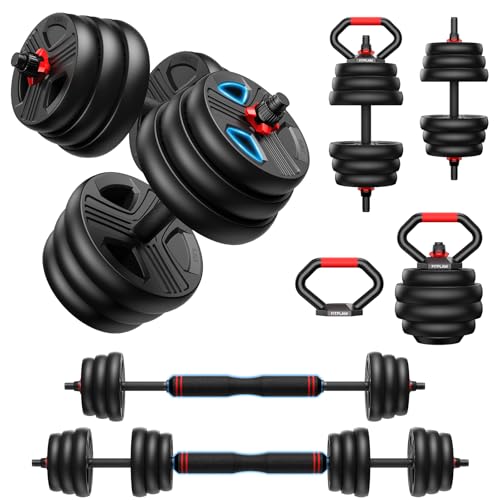
- A light to moderate kettlebell: Useful for swings, goblet squats and carries in a short session. Choose a weight that lets you move with control on your first warm-up sets. Check price on Amazon
- A bedside sunrise-style alarm or light alarm clock: Gradual light can make waking up easier for some people, especially in winter. Results vary, so treat it as a comfort tool rather than a fix for poor sleep. Check price on Amazon
For home-based options, Home Workouts With Bodyweight and Minimal Equipment shows how to build a full session with almost no gear.
Who Should Check With a Professional First
If you have a heart condition, high blood pressure, joint problems, diabetes, or you are returning from injury, talk with your doctor or a qualified exercise professional before starting early high-intensity sessions. Early-morning exercise can affect blood pressure and blood sugar differently in some people, and a professional can help you set safe intensity levels.
FAQ
Is a morning workout better for weight loss?
Not by itself. Total weekly calorie balance, training volume and consistency matter more than the clock time. A morning routine can help if it makes you more likely to train regularly.
How long should I warm up before a morning workout?
Plan on 8 to 12 minutes of general movement and specific ramp-up sets. Add more time if you are training heavy or in cold conditions.
Can I train fasted in the morning?
Some people tolerate it well, especially for light to moderate sessions. For hard or long workouts, a small snack beforehand often helps performance. If you have a medical condition or take medication that affects blood sugar, ask your doctor first.
What if I am not a morning person?
Start with a two-week trial and move your bedtime earlier before changing your alarm. If your sleep and performance drop, a late-afternoon or evening slot may serve you better.
Should I train in the morning every day?
You can, but many people do better with rest days built into the week. Use your recovery markers, such as sleep quality, soreness and performance trends, to decide how often morning sessions fit your program.